
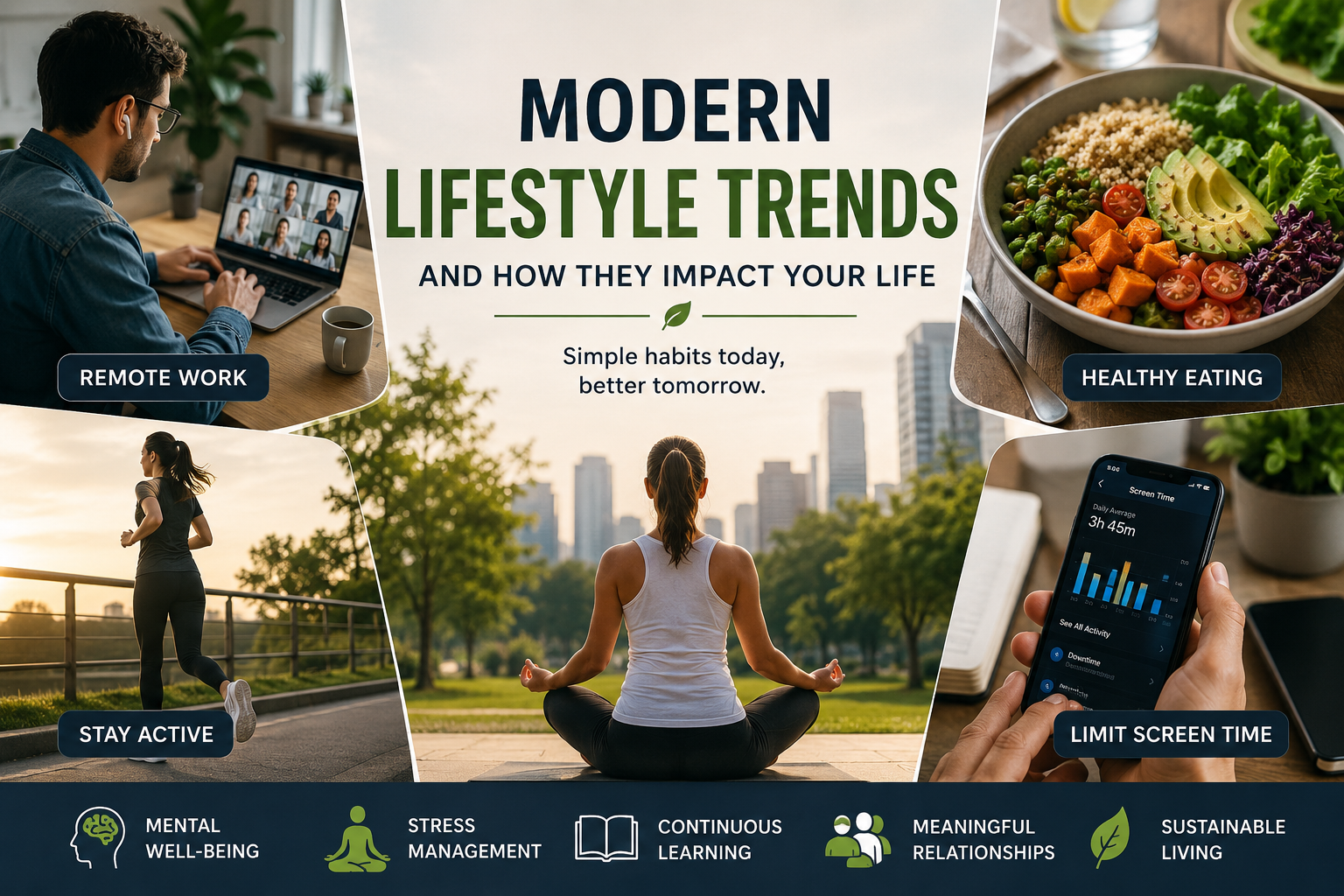

Modern lifestyle trends have transformed the way people work, communicate, eat, exercise, and spend their free time. While technology and innovation have made life more convenient than ever, they have also introduced new challenges that affect physical health, mental well-being, productivity, and relationships. Understanding these changes is essential for creating a healthier, more balanced lifestyle that supports long-term happiness and success.
Whether you are a student, a working professional, or someone looking to improve your daily routine, recognizing the effects of modern lifestyle trends can help you make smarter choices. This guide explores the meaning of lifestyle, the latest trends shaping everyday life, their benefits and drawbacks, and practical lifestyle tips that can help you thrive in today’s fast-changing world.
Table of Contents
What Is Lifestyle?
A lifestyle refers to the way a person lives every day. It includes daily routines, habits, behaviors, values, food choices, work patterns, leisure activities, relationships, and overall approach to health and personal growth. Every decision, from the food you eat in the morning to how you spend your evenings, contributes to your lifestyle.
A healthy lifestyle is built on habits that promote physical health, emotional stability, and mental well-being. On the other hand, unhealthy routines such as poor eating habits, lack of exercise, inadequate sleep, or excessive screen time can negatively affect overall quality of life.
In recent years, the concept of lifestyle has evolved significantly. Advances in technology, remote work opportunities, social media influence, and changing consumer preferences have created a modern lifestyle that looks very different from what previous generations experienced.
Why Lifestyle Matters More Than Ever
Your lifestyle influences almost every aspect of your life. It affects your physical fitness, emotional health, financial stability, career performance, relationships, and even life expectancy. Small daily decisions often have a greater impact than occasional major events because habits compound over time.
A balanced lifestyle helps improve energy levels, supports better concentration, strengthens the immune system, reduces stress, and increases overall happiness. Healthy lifestyle habits also lower the risk of chronic diseases such as obesity, diabetes, heart disease, and hypertension.
At the same time, today’s fast-paced world makes maintaining balance more difficult. Long working hours, constant digital notifications, unhealthy food choices, and limited physical activity have become common challenges for millions of people. Learning how to adapt without sacrificing well-being is becoming one of the most valuable life skills.
Understanding the Modern Lifestyle
A modern lifestyle is shaped by convenience, technology, and global connectivity. Smartphones, online education, digital banking, remote jobs, and artificial intelligence have simplified countless daily tasks. While these innovations save time, they have also increased screen dependency and reduced physical movement.
People today often spend several hours each day looking at phones, computers, or tablets. Communication has shifted from face-to-face conversations to instant messaging and video calls. Shopping, entertainment, and even healthcare services are increasingly available online.
These developments have improved accessibility and efficiency, but they also require individuals to become more intentional about maintaining healthy lifestyle habits.
The Biggest Modern Lifestyle Trends
One of the most noticeable trends is the rapid growth of remote and hybrid work. Millions of employees now work from home either full-time or part-time. This shift offers greater flexibility, eliminates daily commuting, and allows better control over schedules. However, it can also blur the boundaries between work and personal life, making it difficult to disconnect and relax.
Another significant trend is the growing awareness of health and wellness. More people are investing in nutritious diets, fitness routines, meditation, and mental health support than ever before. Fitness apps, wearable devices, and online coaching have made healthy lifestyle practices more accessible regardless of location.
Digital learning has also become a defining feature of modern life. Students and professionals can develop new skills through online courses, webinars, and educational platforms without attending traditional classrooms. Continuous learning has become essential in a rapidly changing job market.
Social media continues to influence modern lifestyle choices in powerful ways. People discover fashion trends, travel destinations, recipes, workout routines, and productivity techniques through digital platforms. While social media can inspire positive changes, excessive use may also contribute to anxiety, unrealistic comparisons, and reduced self-esteem.
Sustainability has emerged as another important lifestyle trend. Many individuals are becoming more environmentally conscious by reducing waste, recycling materials, choosing eco-friendly products, and supporting ethical brands. Sustainable living encourages responsible consumption while protecting natural resources for future generations.
How Technology Has Changed Daily Lifestyle
Technology has become deeply integrated into everyday life. Morning alarms, fitness tracking, digital calendars, navigation apps, online shopping, and virtual meetings all rely on digital devices.
Smart technology has increased convenience in many areas. People can order groceries from home, consult doctors through telemedicine, manage finances with mobile banking, and communicate instantly with loved ones across the globe.
However, constant connectivity also creates challenges. Many individuals struggle to disconnect from work emails, social media notifications, or entertainment platforms. Excessive screen time may contribute to eye strain, poor posture, sleep disturbances, and decreased physical activity.
Creating healthy boundaries around technology use is becoming an essential part of maintaining a balanced lifestyle.
The Connection Between Lifestyle and Physical Health
Physical health is directly influenced by daily choices. Consistent exercise, balanced nutrition, quality sleep, and stress management work together to support overall well-being.
Modern lifestyles often encourage convenience over movement. Elevators replace stairs, food delivery replaces cooking, and office jobs require prolonged sitting. While these conveniences save time, they also reduce daily physical activity.
Regular exercise improves cardiovascular health, strengthens muscles, supports healthy weight management, and boosts mood. Even moderate activities such as walking, cycling, or stretching can significantly improve long-term health when practiced consistently.
Nutrition also plays a critical role. Processed foods, sugary beverages, and excessive fast-food consumption can increase the risk of obesity and chronic illnesses. Choosing whole grains, lean proteins, fruits, vegetables, and healthy fats supports sustained energy and overall health.
Adequate sleep remains one of the most overlooked aspects of a healthy lifestyle. Adults who consistently sleep well tend to have stronger immune systems, better concentration, improved emotional regulation, and higher productivity.
Mental Health in Today’s Lifestyle
Mental well-being has become an increasingly important part of modern lifestyle discussions. Fast-paced schedules, financial pressures, information overload, and constant online engagement can contribute to stress and emotional exhaustion.
Many people now recognize the importance of mindfulness, meditation, therapy, journaling, and relaxation techniques. These practices help reduce anxiety, improve focus, and strengthen emotional resilience.
Building meaningful relationships also supports mental health. Spending quality time with family and friends provides emotional support that digital communication cannot fully replace. Human connection remains one of the strongest contributors to long-term happiness.
Creating boundaries between work, technology, and personal time allows individuals to recharge mentally while maintaining healthier emotional balance.
Lifestyle Habits That Create Long-Term Success
Positive lifestyle habits rarely produce dramatic overnight changes. Instead, they generate consistent improvements that accumulate over months and years.
Successful individuals often prioritize routines that support both personal and professional growth. They maintain consistent sleep schedules, stay physically active, continue learning, manage stress effectively, and make time for meaningful relationships.
Small daily improvements often produce greater long-term results than occasional bursts of motivation. Reading a few pages each day, exercising for thirty minutes, preparing nutritious meals, or practicing gratitude may seem minor individually, but together they build a stronger foundation for a healthier and more fulfilling life.
Likewise, replacing unhealthy habits with positive alternatives does not require perfection. Sustainable lifestyle changes happen gradually through consistency rather than extreme restrictions or unrealistic expectations.
Benefits of Adopting a Healthy Lifestyle
Building a healthy lifestyle offers rewards that extend far beyond physical appearance. The choices you make each day influence your energy levels, emotional well-being, productivity, relationships, and overall quality of life. While results may not appear overnight, consistent healthy habits create lasting improvements that become more noticeable over time.
One of the biggest benefits is improved physical health. Regular movement, balanced nutrition, and adequate sleep help strengthen the immune system, reduce the risk of chronic diseases, and improve cardiovascular health. People who maintain healthy lifestyle habits often experience greater stamina and fewer health-related limitations as they age.
Mental health also improves significantly. A balanced lifestyle helps regulate stress, reduces anxiety, and supports better emotional resilience. Taking breaks from technology, spending time outdoors, and maintaining meaningful relationships all contribute to a healthier state of mind.
Productivity is another area that benefits from positive lifestyle changes. Individuals who prioritize rest, exercise, and proper nutrition often find it easier to concentrate, solve problems, and stay motivated throughout the day. Instead of relying on temporary bursts of energy, they maintain consistent performance through healthy daily routines.
Financial well-being can also improve. Preparing meals at home, avoiding unhealthy habits, and focusing on preventive healthcare often reduce unnecessary expenses. Small financial savings accumulated over time can contribute to greater long-term security.
Perhaps the greatest benefit is an improved sense of life satisfaction. When physical health, mental wellness, career, and relationships remain in balance, people are more likely to feel fulfilled and confident about their future.
Common Lifestyle Mistakes That Hold People Back
Many people want to improve their lifestyle but unknowingly develop habits that work against their goals. These mistakes often become part of everyday routines, making them difficult to recognize.
One common mistake is trying to change everything at once. People often create unrealistic plans that involve strict diets, intense workout schedules, and dramatic lifestyle changes. Such approaches usually become difficult to maintain, leading many individuals to abandon their goals after only a few weeks.
Another mistake is ignoring sleep. Many people sacrifice rest in order to work longer hours or spend more time on entertainment. Poor sleep eventually affects concentration, mood, metabolism, and overall health.
Excessive screen time has also become a major concern. Spending hours scrolling through social media or watching online content reduces physical activity and may negatively impact mental health. Digital comparison can also create unrealistic expectations that lower self-confidence.
Poor stress management represents another challenge. Some individuals ignore stress until it begins affecting their health, while others rely on unhealthy coping mechanisms. Learning healthy ways to manage pressure is essential for maintaining a balanced lifestyle.
Finally, inconsistency prevents long-term success. Healthy habits produce meaningful results only when practiced regularly. Missing a workout or eating an unhealthy meal occasionally is not the problem. Giving up completely after small setbacks is what limits progress.
Practical Lifestyle Tips for Everyday Living
Improving your lifestyle does not require expensive equipment or dramatic life changes. Simple adjustments made consistently often create the greatest long-term impact.
Start by establishing a regular sleep schedule. Going to bed and waking up at similar times each day helps regulate your body’s natural rhythm and improves both physical and mental performance.
Focus on eating nutritious meals most of the time rather than striving for perfection. Choosing whole foods, drinking enough water, and limiting processed foods can improve energy levels throughout the day.
Include regular physical activity in your routine. Whether it involves walking, cycling, strength training, or recreational sports, consistent movement supports better health and reduces stress.
Create healthy boundaries with technology. Setting aside specific periods without phones or computers allows your mind to rest and helps improve relationships with the people around you.
Continue learning throughout life. Reading books, developing new skills, or exploring educational opportunities keeps the mind active and supports both personal and professional growth.
Most importantly, remember that progress is more valuable than perfection. Sustainable lifestyle changes are built through small improvements repeated consistently over time.
How Long Does It Take to See Lifestyle Changes?
Many people expect immediate results after adopting healthier habits, but meaningful transformation usually happens gradually. The exact timeline depends on individual goals, consistency, and existing habits.
Some improvements appear within a few days. Better hydration, improved sleep, and healthier eating can increase energy and improve concentration relatively quickly.
Physical fitness improvements often become noticeable after several weeks of regular exercise. Increased endurance, better strength, and improved flexibility develop gradually with consistent effort.
Long-term benefits such as reduced disease risk, improved cardiovascular health, and lasting mental well-being may take several months or even years to fully develop. However, each healthy choice contributes to better outcomes over time.
Rather than focusing only on immediate results, it is more effective to build routines that can be maintained for years.
Common Myths About Modern Lifestyle
Many misconceptions prevent people from making positive changes.
One common myth is that living a healthy lifestyle is expensive. While premium fitness memberships and specialty foods exist, many healthy habits such as walking, drinking water, cooking simple meals, and maintaining good sleep cost very little.
Another myth suggests that technology is entirely harmful. In reality, technology is simply a tool. When used wisely, it supports education, communication, healthcare, productivity, and fitness tracking. Problems usually arise from excessive or unhealthy use rather than the technology itself.
Some people also believe that major changes are necessary for success. In reality, consistent small improvements often produce better long-term results than drastic lifestyle overhauls.
Finally, many assume they are too busy to improve their lifestyle. However, even small daily actions such as taking short walks, preparing healthier meals, or reducing screen time can make a meaningful difference.
Conclusion
Modern lifestyle trends continue to reshape the way we live, work, and interact with the world. Technology, changing work environments, growing health awareness, and evolving social habits have created opportunities for greater convenience while also introducing new challenges.
The key is not to reject modern living but to manage it wisely. Building healthy lifestyle habits, maintaining balance, staying physically active, protecting mental well-being, and making thoughtful daily decisions can help you enjoy the benefits of today’s world without sacrificing your health or happiness.
Remember that your lifestyle is not defined by one decision or one day. It is shaped by the small choices you make consistently over time. Every positive habit you build today becomes an investment in a healthier, happier, and more successful future.
Frequently Asked Questions
What is the meaning of lifestyle?
Lifestyle refers to the way a person lives, including daily habits, routines, behaviors, food choices, work patterns, relationships, and overall approach to health and well-being.
How can I build a healthy lifestyle?
A healthy lifestyle begins with consistent habits such as eating nutritious foods, exercising regularly, getting enough sleep, managing stress, and maintaining a healthy work-life balance.
Why is a balanced lifestyle important?
A balanced lifestyle supports better physical health, improves mental well-being, increases productivity, strengthens relationships, and reduces the risk of many chronic diseases.
How does modern lifestyle affect health?
Modern lifestyle trends offer convenience but may also increase sedentary behavior, screen time, stress, and unhealthy eating habits. Maintaining healthy routines helps reduce these negative effects.
Can small lifestyle changes really make a difference?
Yes. Small improvements repeated consistently often produce greater long-term results than temporary extreme changes. Healthy habits build over time and create lasting benefits.
if you are looking to write about lifestyle. You can search for us with the query “Write for Us Lifestyle” in search engines.
For more updates and the latest fashion news, visit StyleInFlux.