
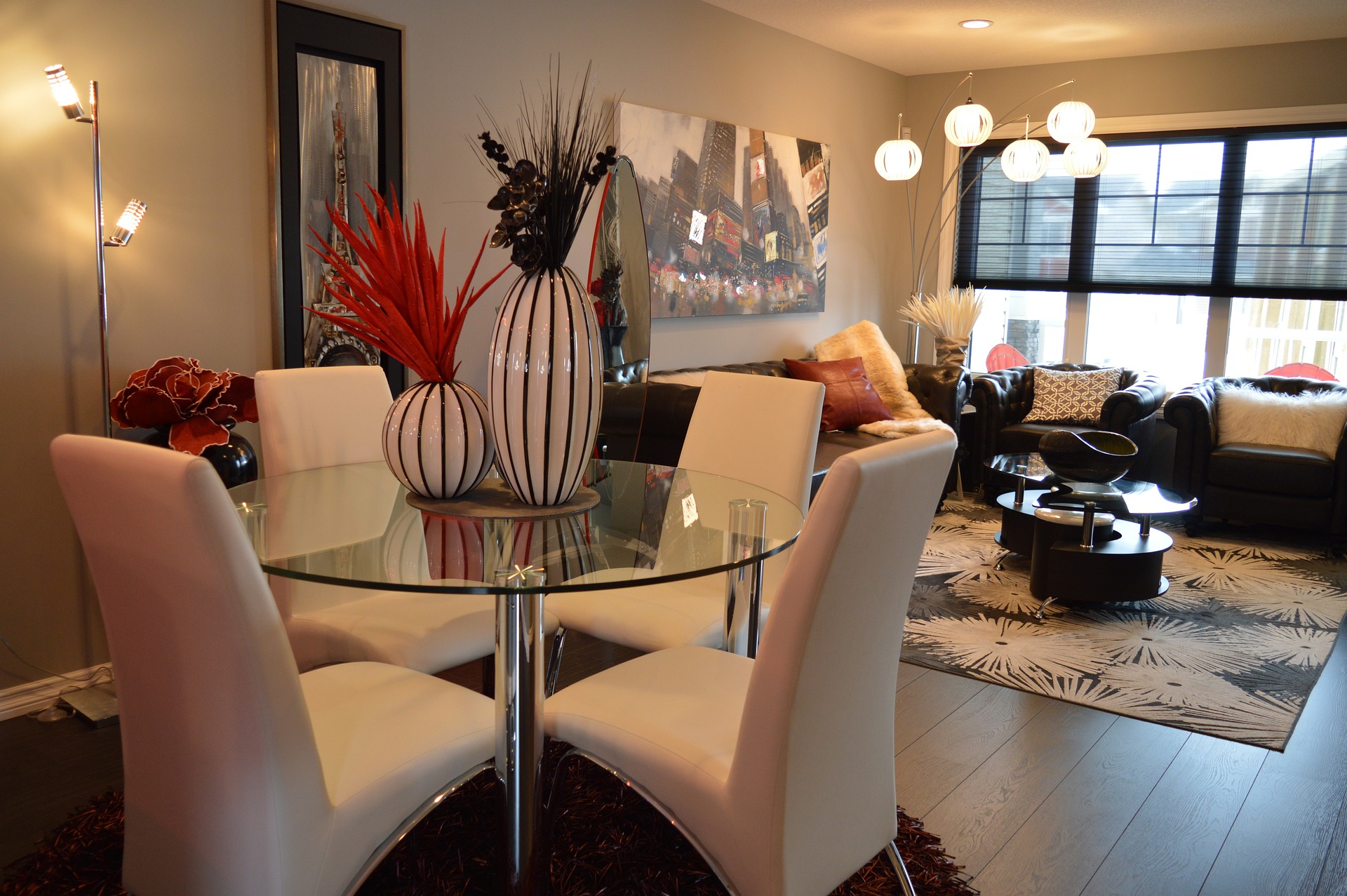

Designing a small apartment is not just about choosing smaller furniture or removing unnecessary belongings. It is about creating a home where every square foot serves a purpose without making the space feel crowded, uncomfortable, or impersonal. With thoughtful space planning, multifunctional furniture, vertical storage, and a consistent interior design approach, even a compact studio or one-bedroom apartment can support sleeping, working, cooking, entertaining, and relaxing.
The challenge is that small apartments often need to accommodate several activities within the same room. A living room may also function as a home office, a bedroom may need to provide wardrobe space and a dressing area, and a dining table may double as a workstation. Poor furniture placement can make these spaces difficult to use, while the right layout can improve movement, storage, and everyday comfort.
According to the National Apartment Association, the average size of a U.S. apartment was approximately 908 square feet in 2024, while the average studio apartment measured around 457 square feet. These figures describe the U.S. market rather than apartments worldwide, but they illustrate why compact living and efficient space planning matter. Apartment sizes vary considerably by country, city, building type, and household needs.
In this guide, you will learn how to design a small apartment using multifunctional furniture, smart storage solutions, flexible room layouts, lighting, and practical decorating techniques. Whether you are furnishing a rental studio, a compact urban apartment, or a small family home, the goal is to make limited space work harder without sacrificing comfort or style.
Table of Contents
1. Start with a Functional Small-Apartment Layout
Before purchasing furniture, identify how you use each area of your apartment. A visually attractive room will not function well if the sofa blocks a doorway, a dining chair prevents access to a cabinet, or the bed leaves insufficient space to open a wardrobe.
Begin by measuring the apartment’s length, width, and ceiling height. Record the positions of doors, windows, radiators, electrical outlets, kitchen fittings, and other fixed features. Measure existing furniture as well, including the space required to open drawers, extend tables, or convert a sofa into a bed.
A simple floor plan drawn on paper can reveal problems that are difficult to notice when looking at an empty room. You can also use interior design software to experiment with different arrangements before moving heavy furniture.
Create zones instead of adding unnecessary walls
In a studio apartment, the living, sleeping, dining, and working areas may share one open room. Rather than dividing the entire space with permanent partitions, create visual zones through furniture placement, rugs, lighting, and shelving.
For example, a sofa can separate the living area from a sleeping corner, while a narrow bookcase provides storage and a subtle boundary. A pendant light above a dining table can distinguish the eating area from the lounge without closing off the room.
Keep the primary route between the entrance, kitchen, bathroom, and bedroom clear. As a practical starting point, aim for a main walkway of around 30–36 inches (76–91 cm) where the layout allows. This is a planning guideline, not a universal building-code requirement; accessibility needs, local regulations, door swings, and the actual room dimensions may require more clearance.
The best small-apartment floor plan is not necessarily the one that fits the most furniture. It is the one that allows everyday activities to happen comfortably without constant rearranging.
2. Choose Multifunctional Furniture That Solves Real Problems
Multifunctional furniture combines two or more uses in one piece. It can reduce the number of separate items needed in a small apartment, freeing up valuable floor space and simplifying the layout.
However, not every convertible product is practical for every household. Before buying a piece, consider how frequently you will use each function, how easily it converts, and whether it remains comfortable in both configurations.
Sofa beds for flexible living rooms
A sofa bed provides seating during the day and a sleeping surface at night. It can be particularly useful in studio apartments, one-bedroom homes without a guest room, and rental properties where a separate guest bed would take up too much space.
Check the sofa’s dimensions in both configurations. A sofa bed that fits the room when folded may obstruct the main walkway when opened. You should also consider mattress comfort, opening mechanisms, bedding storage, and whether one person can convert it easily.
If the sofa will serve as your primary bed every night, prioritize sleep comfort and durability rather than choosing a model based solely on appearance.
Storage ottomans and benches
A storage ottoman can function as a footrest, occasional seat, or small surface for a tray. Its internal compartment may hold blankets, cushions, board games, or other living-room essentials.
A storage bench near the entrance can provide a place to sit while putting on shoes and a compartment for footwear, bags, or seasonal accessories. In a bedroom, a bench at the foot of the bed can offer seating and additional storage if there is enough clearance.
The benefit is not simply that these items hide belongings. They consolidate functions that might otherwise require separate furniture.
Extendable and folding tables
A compact dining table can occupy a relatively small footprint during everyday use and expand when guests arrive. Drop-leaf tables, wall-mounted folding tables, and nesting tables offer similar flexibility.
For someone working from home, a dining table may also serve as a desk. If you use the same surface for both activities, plan where your laptop, documents, cables, and work accessories will go at the end of the day.
The right table depends on your routine. A wall-mounted table can work well for occasional meals or laptop use, while an extendable freestanding table may be more appropriate for people who regularly eat together or entertain guests.
Beds with integrated storage
A storage bed can provide drawers beneath the mattress or a lift-up compartment for bulky belongings. This is particularly valuable in bedrooms where a separate chest of drawers would make movement difficult.
Use under-bed storage for items that do not need daily access, such as spare bedding, seasonal clothing, or luggage. Frequently used belongings are better stored in easily accessible drawers or wardrobes.
Before purchasing a lift-up bed, check ceiling clearance, mattress weight compatibility, the opening mechanism, and whether nearby furniture will interfere with access.
3. Maximize Vertical Space with Wall-Mounted Storage
Floor space is limited in a small apartment, but walls often offer unused storage potential. Tall shelving, wall-mounted cabinets, floating shelves, and hooks can move belongings off the floor while keeping them accessible.
IKEA’s guidance on small living rooms similarly recommends using wall height, hooks, pegboards, and storage systems to make better use of compact interiors. These are practical examples of how storage can be distributed beyond conventional cupboards. Source: IKEA small living room ideas.
Install shelves above desks and work areas
A wall-mounted shelf above a desk can hold books, stationery, and small office supplies without requiring a separate bookcase. In the kitchen, shelves may accommodate mugs, jars, and frequently used utensils, provided they are positioned safely away from cooking hazards.
Avoid filling every wall with open shelving. Too many visible objects can make a small room feel visually busy. Combine open shelves for frequently used or decorative items with closed cabinets for less attractive essentials.
Use tall, narrow storage units
A tall, relatively narrow cabinet may provide substantial storage while taking up less floor area than several short pieces of furniture. It can work well in a bedroom, hallway, living room, or kitchen.
Measure the wall and ceiling before choosing a unit. Leave room for installation, access, and any doors or windows that need to open. Tall furniture should also be securely anchored according to the manufacturer’s instructions, especially in homes with children or pets.
Make corners and door areas useful
Corners can accommodate compact shelving, a narrow cabinet, or a small desk if they do not interfere with movement. Hooks behind a door can hold coats, bags, or cleaning tools, while over-door organizers can store lightweight household items.
Do not assume every empty gap needs to be filled. A corner that provides comfortable movement or makes the room feel less crowded may be more valuable than a small storage unit.
4. Design a Small Living Room That Feels Open
The living room often contains the apartment’s largest furniture items, including the sofa, television unit, coffee table, and occasional seating. The key is to select pieces that suit the room’s proportions and avoid blocking natural movement.
Choose appropriately scaled seating
A large sectional sofa may be comfortable, but it can dominate a narrow living room. A compact sofa with raised legs, a small loveseat, or a modular seating arrangement may leave more visible floor area and create a lighter appearance.
Measure the sofa’s depth as well as its width. Deep seating can reduce the space available for a coffee table and walkway. If you frequently host guests, consider movable stools or nesting seats that can be brought out when needed and stored afterward.
Replace bulky coffee tables with flexible alternatives
A nesting table set can provide multiple surfaces when needed while allowing the smaller tables to slide beneath the larger one. A storage ottoman can replace both a conventional coffee table and a separate blanket box.
If you use a tray on an upholstered ottoman, make sure the surface remains stable enough for your intended use. Functionality should come before the number of features advertised by a furniture manufacturer.
Keep the visual layout simple
A small living room does not need to be completely empty to feel spacious. Instead, give important pieces room to stand out and avoid arranging too many small decorative objects across every available surface.
A cohesive color palette, a well-sized rug, a few carefully selected accessories, and clear sightlines can help the space feel organized. Mirrors may reflect available light and make a room feel brighter, particularly when placed opposite or near a window, but they do not create additional physical space.
5. Make a Small Bedroom Work Harder
A compact bedroom must provide comfortable sleep, clothing storage, lighting, and often a dressing or work area. Planning these functions together can prevent the room from becoming crowded.
Choose the bed before the other furniture
The bed usually has the largest footprint in a bedroom, so decide where it will go before selecting bedside tables or additional cabinets.
A bed with built-in drawers can reduce the need for separate storage furniture. If there is insufficient clearance for drawers to open, an alternative under-bed container or a lift-up design may work better.
Avoid choosing a bed solely because its frame looks small. Include the mattress dimensions, headboard, side clearance, and access to the wardrobe when planning the layout.
Replace bulky bedside tables
Wall-mounted bedside shelves can provide space for a phone, book, lamp, or other essentials without occupying the floor. A narrow bedside cabinet with one drawer may be preferable if you need to conceal personal items.
If you use wall-mounted lighting, plan the electrical installation and mounting position carefully. Renters should check permission requirements before making permanent changes.
Use wardrobe interiors efficiently
A wardrobe can provide more usable storage when its interior is planned around the items you actually own. Hanging rails, adjustable shelves, drawer inserts, and organizers can separate clothing, accessories, and folded garments.
Store frequently worn clothing at a convenient height and place seasonal items on higher shelves. Use matching boxes or labeled containers for items that are stored away for longer periods.
For especially narrow bedrooms, sliding wardrobe doors may reduce the clearance needed for opening conventional hinged doors. However, sliding systems have their own space and installation requirements, so measure the available wall carefully.
6. Create a Compact Home Office Without Sacrificing the Living Area
Remote work and study can make a small apartment more challenging to organize. A desk that is too large may dominate the living room, while working from a sofa or bed every day may be uncomfortable and make it harder to separate work from rest.
Consider a wall-mounted or fold-away desk
A folding desk can be closed when work is finished, restoring some open space. A narrow desk can fit against a wall or in an unused alcove, provided it has enough depth for the computer and the work you perform.
If the desk is used daily, ensure the chair fits comfortably and can be moved without blocking a doorway. The work surface should support your actual equipment rather than forcing you to balance a laptop, monitor, and paperwork in an unsuitable area.
Combine work surfaces with storage
A desk with drawers or shelving can reduce the need for a separate filing cabinet. Wall shelves above the desk may hold books and office supplies, while cable organizers can prevent chargers and wires from spreading across the floor.
At the end of the workday, return equipment to a designated storage location. This small routine helps a multifunctional room transition from work mode to relaxation mode.
7. Use Smart Storage in Small Kitchens and Dining Areas
Kitchens can become cluttered quickly because they contain food, cookware, appliances, cleaning products, and utensils. The solution is to organize storage according to how often items are used and how they fit into meal preparation.
Organize cabinets by frequency of use
Keep everyday plates, glasses, cooking utensils, and frequently used ingredients within easy reach. Place occasional serving dishes and specialty equipment in less accessible cabinets.
Drawer dividers can prevent utensils from becoming mixed together, while clear containers may make dry ingredients easier to identify. Use containers that fit the actual cabinet dimensions instead of buying a large set before measuring.
Use the space above and below work surfaces
Wall-mounted rails, hooks, or shelves can hold suitable kitchen tools, freeing up drawers and counters. A narrow rolling trolley may provide extra storage and can be moved when more floor space is needed.
However, do not overload shelves or place heavy items where they may fall. Keep hot appliances, electrical equipment, and stored materials arranged with safe operating clearances, following manufacturer guidance.
Choose dining furniture that adapts
A two-person table may be sufficient for everyday meals, while an extendable version can accommodate guests. Folding chairs can be stored away when they are not needed.
If the dining table also functions as a workstation, use a small storage box or drawer to keep work equipment organized. This avoids turning the dining area into a permanent pile of documents and electronics.
8. Choose Colors, Lighting, and Materials That Support the Layout
Space-saving furniture improves physical functionality, but visual choices also influence how a compact apartment feels. Light, sightlines, material consistency, and the amount of visible clutter all contribute to the overall impression.
Use color intentionally
Light neutrals, soft whites, warm beige, and muted colors can create a calm, cohesive appearance. They are not mandatory, however, and a small apartment can still use dark colors or bold accents successfully.
The more important consideration is how the colors work together and how much natural light the room receives. Repeating a few colors across furniture, curtains, and accessories can make separate zones feel connected.
Layer lighting for different activities
A single ceiling light may not provide enough illumination for reading, cooking, working, and relaxing. Combine general lighting with task lighting and softer accent lighting where practical.
A desk lamp can support focused work, while a reading light beside the sofa makes the seating area more functional. Under-cabinet lighting can improve visibility in a compact kitchen.
Where possible, avoid blocking windows with tall furniture or heavy curtains. Maximizing daylight can help a room feel brighter during the day, while suitable artificial lighting maintains comfort after dark.
Select materials that are easy to maintain
Small spaces often receive frequent use because the same surfaces serve several purposes. Durable finishes, washable covers, easy-clean surfaces, and quality hardware can make everyday maintenance easier.
If you rent, removable hooks, freestanding shelves, and movable furniture may be more practical than permanent built-ins. If you own the apartment, custom cabinetry may be worth considering when a difficult layout leaves significant space unused.
9. Space-Saving Solutions for Rental Apartments
Renters may have limited control over walls, flooring, built-in cabinets, and electrical fittings. Fortunately, many improvements can be made without structural renovations.
Freestanding wardrobes, modular shelving, rolling storage carts, compact tables, and furniture with integrated storage can all be moved when you change apartments. Removable organizers can also help improve cabinet and wardrobe interiors without permanent modifications.
Before installing wall-mounted furniture, check the lease and ask the landlord for permission where required. Always use suitable fixings for the wall type and the load being supported.
For renters on a tight budget, start with the layout and existing furniture before buying anything new. Moving a sofa, removing an unnecessary side table, reorganizing a wardrobe, or using under-bed containers may solve the immediate problem at little cost.
10. Budget-Friendly Small-Apartment Design Ideas
Creating an organized apartment does not require replacing every piece of furniture. A staged approach allows you to address the biggest functional problems first.
Begin by removing belongings you no longer use and grouping the remaining items according to their purpose. Then identify which storage gaps create the most clutter. You may discover that the problem is a lack of wardrobe organization rather than a need for a larger wardrobe.
Next, prioritize purchases that solve more than one problem. A storage bench may provide seating and shoe storage, while a foldable table can serve as a workspace and dining surface. Compare the full dimensions, materials, warranty, assembly requirements, and ease of use before making a purchase.
If custom furniture is being considered, obtain measurements and a detailed quotation. Built-in units can use awkward spaces efficiently, but they may cost more and offer less flexibility if your needs change or you move.
A sensible budget should prioritize everyday comfort, safety, and durability over decorative trends. It is usually better to buy one well-suited piece than several inexpensive items that do not fit the layout.
11. Common Small-Apartment Design Mistakes to Avoid
One common mistake is buying furniture before measuring the room. A piece may look compact in a showroom or online photograph but become difficult to use when placed beside a door, window, or existing cabinet.
Another mistake is maximizing storage without considering access. Deep shelves and boxes placed behind other belongings can turn useful storage into an inconvenient pile. Keep daily essentials accessible and reserve harder-to-reach areas for occasional items.
Relying entirely on open shelving can also create visual clutter. Combine open display areas with closed storage and avoid filling every surface with decorations.
Finally, do not sacrifice comfortable movement to fit one more piece of furniture. A small apartment needs usable circulation, access to windows and doors, and safe routes between rooms. A slightly less crowded layout is often more functional than a room filled to capacity.
12. A Step-by-Step Plan for Designing Your Small Apartment
A clear sequence makes the project easier to manage and reduces unnecessary spending.
First, measure the apartment and create a simple floor plan. Mark the fixed features and identify the primary walking routes. Next, list the activities each room must support, including sleeping, working, eating, storage, and entertaining.
Then choose the largest essential furniture pieces and check their dimensions in the proposed layout. Add multifunctional furniture where it genuinely replaces a separate item, rather than buying a convertible product simply because it is marketed as space-saving.
After the main layout works, plan vertical storage, cabinet organization, lighting, and decorative details. Test movable furniture arrangements before committing to expensive built-ins or permanent changes.
Finally, live with the arrangement for a short period and note what remains inconvenient. You may need more accessible storage near the entrance, a different table position, or a better location for the laundry basket. Small adjustments based on actual use are often more effective than trying to perfect everything at once.
Conclusion
Designing a small apartment with multifunctional furniture and space-saving storage solutions is about balancing efficient use of space with everyday comfort. Sofa beds, storage ottomans, extendable tables, storage beds, wall-mounted desks, and modular shelving can help reduce the number of separate furniture pieces needed.
Vertical storage, thoughtful wardrobe organization, flexible room dividers, and layered lighting can further improve the apartment’s usability without requiring a major renovation. Equally important are accurate measurements, clear walking routes, and a realistic understanding of how each room is used.
The most successful small-apartment design is not necessarily the one with the most hidden compartments or the smallest furniture. It is the one that makes daily life easier, keeps essential belongings organized, and gives each area a clear purpose.
Start with the layout, solve the most important storage problems, and add furniture gradually. With a practical plan and carefully selected pieces, a compact apartment can feel organized, welcoming, and adaptable to changing needs.
Frequently Asked Questions (FAQs)
1. What is the best furniture for a small apartment?
The best furniture depends on the layout and lifestyle of the occupants. Common choices include sofa beds, storage beds, nesting tables, extendable dining tables, storage ottomans, wall-mounted desks, and modular shelving. Prioritize pieces that solve a specific space problem and remain comfortable for their intended use.
2. How can I make a small apartment look bigger?
Keep the layout simple, choose appropriately scaled furniture, use vertical storage, avoid blocking windows, and maintain clear walking routes. A coordinated color palette and layered lighting can help the apartment feel brighter and more organized. Mirrors may enhance the sense of light but cannot replace effective space planning.
3. How do I maximize storage in a small apartment?
Use wardrobe organizers, under-bed storage, tall cabinets, wall shelves, storage benches, and furniture with integrated compartments. Store everyday items in accessible locations and place seasonal belongings in less frequently used areas. Avoid filling every available gap if doing so makes movement difficult.
4. Is multifunctional furniture worth buying?
Multifunctional furniture can be worthwhile when it replaces separate items or supports activities that occur at different times. A sofa bed, for example, may eliminate the need for a separate guest bed. Check the product’s dimensions, comfort, durability, conversion mechanism, and storage access before buying.
5. How can I divide a studio apartment without building walls?
Use a sofa, open shelving unit, rug, curtain, or different lighting arrangements to distinguish sleeping, working, and living zones. These solutions can provide visual separation while allowing light and movement to pass through the space. Choose a divider that does not block the main route through the apartment.
6. What storage solutions work best for a small bedroom?
Storage beds, under-bed containers, tall wardrobes, wall-mounted bedside shelves, and wardrobe organizers are useful options. Choose the arrangement based on the room’s dimensions and how frequently you need access to stored items. Always allow enough space to open drawers and use the wardrobe comfortably.
7. How do I create a home office in a small apartment?
A compact desk, wall-mounted work surface, or fold-away desk can provide a dedicated workspace. Add suitable task lighting, cable organization, and accessible storage for office supplies. If you use the desk daily, make sure it offers sufficient working space and a comfortable seating arrangement.
8. How can I design a small apartment on a limited budget?
Start by rearranging existing furniture, decluttering, and improving the organization of cabinets and wardrobes. Add inexpensive storage boxes, hooks, or movable shelves where they solve specific problems. Invest in larger multifunctional furniture only after confirming that it fits the room and meets your everyday needs.
9. Is custom furniture a good option for small apartments?
Custom furniture can make effective use of awkward corners, alcoves, and unusual wall dimensions. It may be particularly useful when standard furniture leaves substantial unused space. However, compare costs, construction quality, installation requirements, and flexibility before choosing custom-built solutions.
10. How much walking space should I leave between furniture?
As a general planning starting point, aim for around 30–36 inches (76–91 cm) along main walking routes where the room allows. The required clearance depends on the layout, door swings, furniture design, mobility needs, and applicable local requirements. Measure the actual route rather than relying on a single dimension for every situation.
if you are looking to write about lifestyle. You can search for us with the query “Write for Us Lifestyle” in search engines.
For more updates and the latest lifestyle news, visit StyleInFlux.