
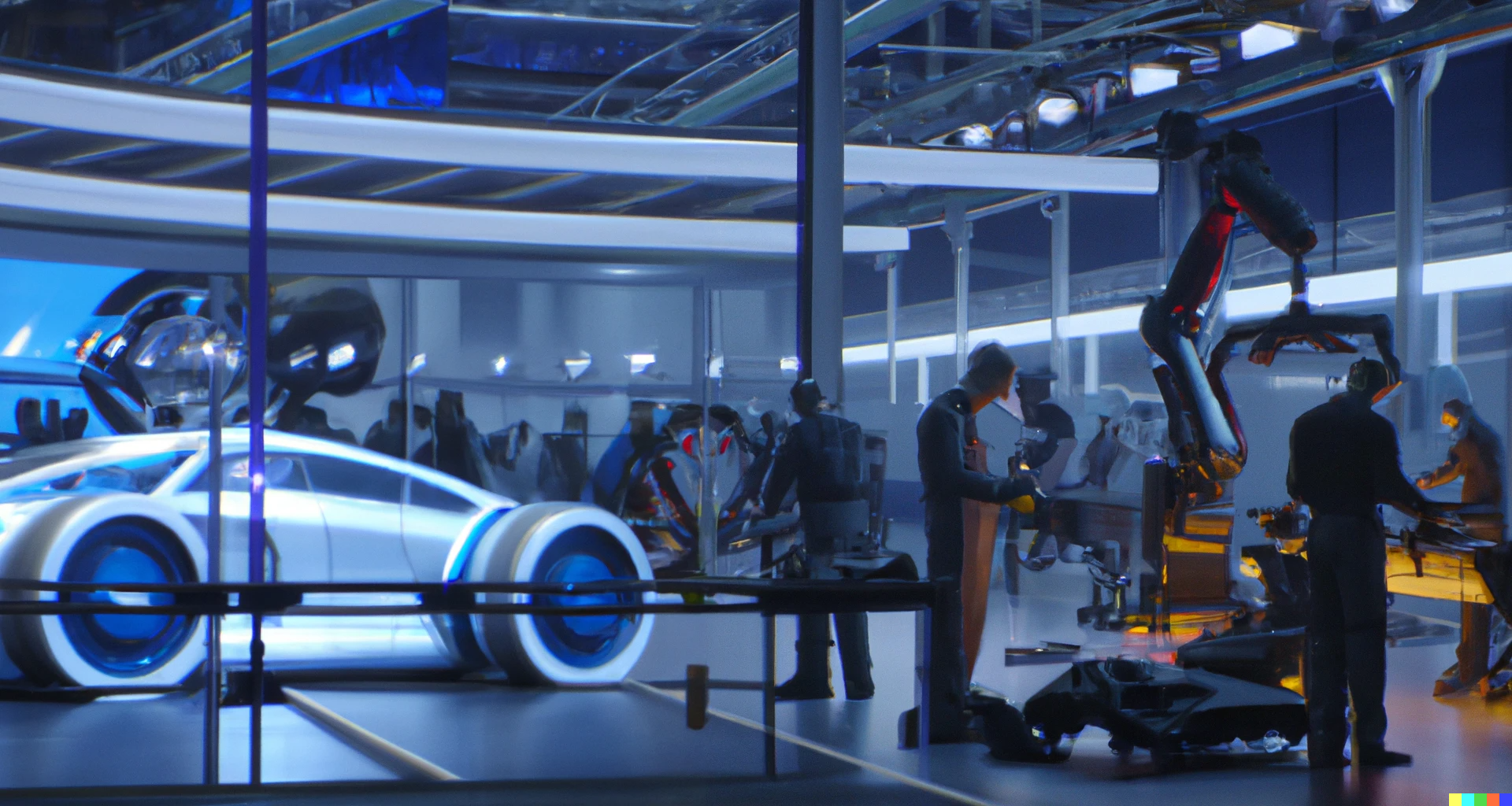

The automotive industry is undergoing a profound transformation in 2026, with cutting-edge technologies redefining how we drive, maintain, and experience vehicles. Are you ready to discover how electric vehicles, autonomous driving, and smart car technology are shaping the future of mobility? From reducing carbon emissions to improving safety and convenience, these innovations are creating opportunities for both drivers and businesses in the rapidly evolving automotive ecosystem.
In this article, we explore the latest automotive industry trends, discuss the benefits and challenges of new technologies, and guide you on what these changes mean for car owners, investors, and businesses alike.
Table of Contents
What Are the Key Automotive Innovations in 2026?
The automotive sector in 2026 is defined by three main innovations: electric vehicles, autonomous driving, and smart car technology. Each of these advances addresses modern mobility challenges while providing sustainable, safe, and connected transportation solutions.
Electric Vehicles (EVs)
Electric vehicles are no longer a niche market; they have become a mainstream choice. Driven by environmental concerns, government incentives, and technological improvements, EVs offer:
- Zero tailpipe emissions
- Lower operating costs compared to gasoline vehicles
- Innovative battery and charging technologies
- Integration with renewable energy sources
Companies such as Tesla, Rivian, and traditional automakers like Ford and GM are expanding their EV lineups, reflecting the global push for greener mobility.
Autonomous Driving
Autonomous driving technology allows vehicles to navigate and operate without human input. This technology relies on advanced sensors, cameras, AI, and machine learning algorithms to provide safer and more efficient driving experiences.
Key levels of autonomous driving include:
- Level 2 – Partial automation with driver assistance
- Level 3 – Conditional automation where drivers can delegate some tasks
- Level 4 – High automation for specific scenarios
- Level 5 – Full automation requiring no human intervention
The implementation of autonomous vehicles reduces traffic accidents, improves fuel efficiency, and opens the door to innovative mobility solutions like ride-sharing fleets and delivery services.
Smart Car Technology
Smart car technology connects vehicles to digital ecosystems, providing drivers with real-time information and seamless integration with devices. Examples include:
- Connected cars with GPS and IoT integration
- Predictive maintenance using AI algorithms
- Voice-controlled infotainment systems
- Advanced driver-assistance systems (ADAS)
These features enhance convenience, safety, and personalization while contributing to the broader adoption of connected mobility solutions.
Why Automotive Innovations Matter
The rise of electric vehicles, autonomous driving, and smart car technology is more than a trend—it’s a response to critical societal and environmental challenges.
Environmental Impact
EV adoption reduces greenhouse gas emissions and dependence on fossil fuels. Governments worldwide are offering incentives, tax breaks, and infrastructure support to accelerate this shift.
Economic Opportunities
The integration of autonomous systems and smart technologies creates new markets, from software development to charging infrastructure. Businesses investing early in these innovations gain a competitive advantage in a rapidly evolving automotive industry.
Safety and Efficiency
Autonomous and smart vehicles significantly reduce human error, which accounts for over 90% of traffic accidents. Improved safety features, predictive maintenance, and real-time monitoring enhance road safety and optimize operational efficiency.
Step-by-Step Adoption of Automotive Innovations
Adopting these innovations requires a structured approach for both consumers and businesses:
- Research the Market: Understand emerging trends in EVs, autonomous driving, and smart technology.
- Assess Infrastructure: Evaluate charging networks, connectivity solutions, and local regulations.
- Test Technologies: Consider pilot programs or demos for autonomous and smart vehicle features.
- Invest Strategically: For businesses, allocate resources to R&D, partnerships, or fleet upgrades.
- Monitor and Adapt: Track performance, safety, and ROI to optimize adoption strategies.
Benefits, Risks, and Key Insights
Benefits
- Reduced Environmental Footprint: Lower emissions and sustainable transportation.
- Enhanced Safety: AI-driven autonomous systems minimize accidents.
- Operational Efficiency: Smart cars enable predictive maintenance and reduced downtime.
- Cost Savings: EVs lower fuel and maintenance expenses over time.
Risks
- High Initial Costs: EVs and autonomous vehicles may require substantial upfront investment.
- Regulatory Uncertainty: Evolving laws around autonomous driving can affect deployment.
- Cybersecurity Concerns: Connected cars are susceptible to hacking if not properly secured.
- Technological Complexity: Drivers and businesses must adapt to advanced systems.
Key Insights
- Early adoption of EVs and connected technologies positions businesses competitively.
- Collaboration between tech companies and automotive manufacturers accelerates innovation.
- Consumer education and awareness are critical to boosting adoption rates.
Common Myths and Misconceptions
- EVs Lack Range – Modern EVs can travel 250–400 miles per charge, suitable for daily commutes.
- Autonomous Cars Are Unsafe – Level 4 and 5 systems undergo rigorous testing and improve safety over human drivers.
- Smart Cars Are Overly Expensive – Connected vehicle technology is becoming more accessible through incremental adoption.
- EV Batteries Harm the Environment – Advances in recycling and battery lifecycle management mitigate ecological impact.
When to Take Action
For both consumers and businesses, 2026 is an ideal year to engage with automotive innovations:
- Consumers: Consider transitioning to EVs or connected vehicles to save on long-term costs and enjoy advanced features.
- Businesses: Upgrade fleets, adopt smart logistics, or invest in autonomous technologies to reduce operational costs and increase competitiveness.
Cost, Time, and Expectations
- Electric Vehicles: Initial costs are higher than traditional vehicles, but government incentives and lower operational expenses offset this.
- Autonomous Driving: Costs vary based on software, hardware, and level of automation. Time to full deployment may take years.
- Smart Car Technology: Subscription models and incremental upgrades make adoption manageable.
Expect continuous improvements in battery technology, AI algorithms, and connected car platforms, making these innovations more affordable and efficient over time.
Conclusion
Automotive innovations in 2026 are transforming the way we drive and interact with vehicles. From electric vehicles reducing emissions to autonomous driving enhancing safety and smart car technology connecting cars to digital ecosystems, these advancements provide immense value for consumers and businesses alike.
Understanding these technologies, assessing their costs and benefits, and strategically adopting them can maximize efficiency, profitability, and sustainability. The future of mobility is here, and staying informed is the key to success in the evolving automotive industry.
FAQ Section
Q1: What is the difference between EVs and traditional cars?
A1: EVs run on electric motors powered by batteries, producing zero emissions, while traditional cars rely on gasoline or diesel engines.
Q2: Are autonomous cars safe for everyday use?
A2: Modern autonomous systems are designed to minimize human error, enhancing safety when combined with driver oversight.
Q3: What does smart car technology include?
A3: It includes connected systems, real-time diagnostics, predictive maintenance, and AI-driven assistance for navigation and safety.
Q4: How do connected cars impact automotive industry trends?
A4: They enable real-time data exchange, fleet management, and integration with smart city infrastructure, shaping future mobility solutions.
Q5: Are EVs cost-effective in the long run?
A5: Yes, EVs reduce fuel and maintenance costs, and government incentives can offset initial purchase prices.
Q6: How soon will autonomous driving be mainstream?
A6: Gradual adoption is occurring, with full Level 5 autonomy expected in select regions over the next decade.
If you are looking to write about automotive. You can search for us with the query “Write for Us Pets” in search engines.