
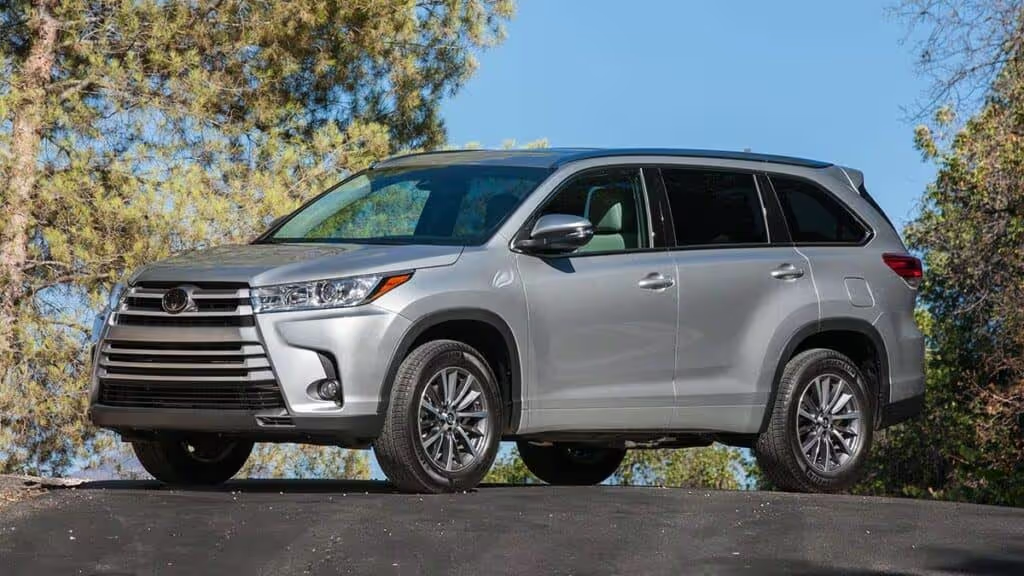

Best Used SUVs Under $25,000 in 2027
Finding a dependable SUV without spending more than $25,000 is possible in the United States, but choosing the right used vehicle requires more than comparing advertised prices. A lower-priced SUV may have high mileage, an incomplete maintenance history, expensive upcoming repairs, or a trim level that lacks important safety features.
For buyers shopping in 2027, the strongest options are likely to include established compact SUVs such as the Honda CR-V, Toyota RAV4, Mazda CX-5, and Subaru Forester. Smaller choices such as the Honda HR-V can offer newer model years within the same budget, while larger vehicles such as the Honda Pilot and Toyota Highlander may appeal to families who need additional seating.
The best choice depends on how you plan to use the vehicle. A commuter may prioritise fuel economy and low maintenance costs, while a family may need rear-seat space, cargo capacity, and advanced safety features. Drivers who regularly travel on snowy or unpaved roads may place greater importance on all-wheel drive (AWD) and ground clearance.
This guide explores the best used SUVs under $25,000 in 2027, including recommended model years, indicative U.S. market prices, strengths, limitations, fuel economy considerations, and practical inspection advice.
Table of Contents
How We Selected the Best Used SUVs Under $25,000
A useful used-SUV shortlist should be considered more than popularity. A vehicle can be affordable to purchase but expensive to maintain, or highly rated for reliability but difficult to find in good condition within the budget.
This guide considers five main factors.
Reliability and long-term ownership: Models with established reliability records and reasonable prospects for long service life deserve attention. iSeeCars’ 2026 reliability analysis evaluates vehicle longevity using data covering more than 312 million vehicles. Its reliability ratings consider the likelihood of a vehicle reaching 200,000 miles.
Purchase price and availability: The recommended vehicles have model years and configurations that can realistically fit within a $25,000 U.S. purchase budget. Actual prices depend on mileage, location, trim, condition, and vehicle history.
Safety: Crash-test performance and available driver-assistance equipment matter, particularly for families. Buyers should check ratings for the exact model year rather than assuming every vehicle in a model range has identical safety performance.
Fuel economy: Fuel consumption can significantly affect the total cost of ownership. A slightly more expensive hybrid may make financial sense for someone who drives substantial annual mileage, while a conventional gasoline SUV may be more suitable for occasional driving.
Practicality: Passenger comfort, cargo capacity, visibility, drivetrain options, and ease of maintenance help determine whether an SUV is suitable for everyday use.
The recommendations below combine established automotive buying guidance with available used-market pricing and data-driven model rankings. They are not a guarantee that every example of a particular model will be reliable.
Quick Comparison: Best Used SUVs Under $25,000
| Used SUV | Model years worth considering | Best suited for | Main advantage |
| Honda CR-V | 2020–2022 | Everyday family use | Balanced practicality |
| Toyota RAV4 | 2019–2021 | Long-term ownership | Strong resale appeal |
| Mazda CX-5 | 2020–2022 | Comfort and driving experience | Refined interior |
| Subaru Forester | 2020–2022 | AWD and outdoor use | Standard AWD |
| Honda HR-V | 2022–2023 | City driving | Compact dimensions |
| Hyundai Tucson | 2020–2022 | Features and value | Competitive equipment |
| Honda Pilot | 2019–2020 | Larger families | Three-row seating |
| Toyota Highlander | 2017–2019 | Family travel | Spacious cabin |
Model years are shopping suggestions, not guarantees of availability below $25,000. Prices and equipment vary by market and trim.
1. Honda CR-V: Best Overall Used Compact SUV
The Honda CR-V is one of the strongest all-around choices for buyers looking for a practical used SUV under $25,000.
Its appeal comes from a combination of passenger space, useful cargo capacity, comfortable driving characteristics, and generally competitive ownership costs. It is suitable for families, commuters, and drivers who need one vehicle for several different purposes.
Recommended model years
Consider the 2020, 2021, and selected 2022 Honda CR-V models. A well-maintained 2021 example is particularly worth comparing because it has appeared in data-driven used-SUV rankings.
Autotrader’s market information showed an average asking price of approximately $24,331 for the 2021 CR-V, while its listed average for the 2020 model was approximately $22,467. These are market snapshots, not guaranteed transaction prices, and individual listings can fall above or below the budget.
Why consider the Honda CR-V?
The CR-V offers a comfortable cabin, practical rear seating, and useful storage space. Its design makes it a good choice for buyers who regularly carry passengers or groceries but do not need a large three-row vehicle.
Fuel economy is another advantage. Honda’s published EPA ratings for the 2021 CR-V list approximately 30 mpg combined for front-wheel-drive versions and 29 mpg combined for AWD versions, depending on configuration.
The CR-V also has a strong reputation in the used compact SUV market. iSeeCars’ 2026 rankings placed the 2021 Honda CR-V first among its best used small SUVs under $25,000, with an overall quality score of 8.5 out of 10.
What should buyers check?
Check the maintenance history, transmission operation, suspension condition, tyres, and evidence of previous collision repairs. For turbocharged versions, pay attention to maintenance records and how the engine performs during a cold start and test drive.
Best for: Families and commuters looking for a balanced, practical compact SUV.
2. Toyota RAV4: Best for Long-Term Ownership and Resale Appeal
The Toyota RAV4 is another leading candidate for buyers who value practicality and resale demand.
It competes directly with the Honda CR-V, offering a spacious cabin, useful cargo capacity, and available all-wheel drive. It is particularly attractive to buyers who want a compact SUV that can handle commuting, family errands, and road trips.
Recommended model years
Look at the 2019, 2020, and 2021 Toyota RAV4. These model years can provide a useful balance between modern features and used-market affordability.
The 2021 RAV4 is close to the upper limit of the budget in some markets. CarGurus’ November 2026 pricing information placed its average price at approximately $24,322, although local inventory and vehicle condition can produce substantial differences.
A 2020 model may provide more room in the budget for a lower-mileage example or a better-equipped trim.
Why consider the Toyota RAV4?
The RAV4 offers a practical interior layout, comfortable seating, and a broad selection of configurations. Buyers can compare front-wheel-drive and AWD models, along with conventional gasoline and hybrid versions.
The hybrid version can be particularly appealing for drivers who spend considerable time in urban traffic. However, hybrid pricing, battery condition, maintenance history, and actual fuel savings should be evaluated before paying a premium.
The Toyota RAV4 also performs well in used-SUV quality rankings. iSeeCars’ 2026 analysis gave it an overall quality score of 8.2 out of 10 among its small SUV category.
What should buyers check?
Inspect the condition of the suspension, brakes, tyres, underbody, and engine compartment. For AWD models, check for unusual noises or signs of neglected drivetrain maintenance.
Hybrid buyers should also consider a professional hybrid-system inspection and review the battery warranty applicable to the vehicle’s age, mileage, and location.
Best for: Buyers who prioritise practicality, resale appeal, and a well-established compact SUV design.
3. Mazda CX-5: Best for Interior Quality and Driving Experience
The Mazda CX-5 is an appealing option for drivers who want a used SUV that feels more refined than some mainstream alternatives.
It combines compact SUV practicality with responsive handling, an attractive cabin, and a more premium feel in many trims. It is a particularly good choice for buyers who spend significant time driving and value comfort as well as utility.
Recommended model years
Consider 2020, 2021, and 2022 examples.
The 2021 Mazda CX-5 is especially interesting because its used-market pricing has remained within the target budget in many listings. CarWhere’s November 14, 2026 market snapshot reported a median asking price of $21,862, based on 1,366 active dealer listings. The middle 50% of those listings ranged from approximately $19,597 to $23,987.
This gives shoppers some opportunity to compare mileage, trim levels, and condition without automatically exceeding $25,000.
Why consider the Mazda CX-5?
The CX-5 offers a comfortable driving position, well-designed interior, and composed road manners. Higher trims may include additional comfort features and upgraded materials.
Its size is also practical for urban use. It is easier to manoeuvre and park than many midsize SUVs while still offering enough space for small families.
iSeeCars’ 2026 reliability ranking placed the Mazda CX-5 alongside the Honda CR-V with a reliability score of 8.0 out of 10 in its small-SUV category.
What should buyers check?
Inspect the brakes, suspension, tyres, infotainment system, and condition of the interior. On turbocharged versions, review the maintenance records carefully and check for signs of oil leaks or unusual engine behaviour.
The CX-5 may not offer as much rear-seat or cargo space as some competitors, so families should test the seating arrangement before buying.
Best for: Drivers who want a comfortable compact SUV with refined styling and engaging road manners.
4. Subaru Forester: Best Used SUV for Standard All-Wheel Drive
The Subaru Forester is worth considering for buyers who regularly drive in rain, snow, or on poorly maintained roads.
One of its biggest advantages is that AWD is standard across the model range in the U.S. This makes it different from many competitors, where buyers must specifically search for an AWD version.
Recommended model years
Consider the 2020, 2021, and 2022 Subaru Forester.
A 2021 example offers a useful combination of modern safety equipment, practical interior space, and a price that can fit comfortably within the budget.
CarGurus’ November 2026 market information reported an average price of approximately $21,464 for the 2021 Forester. A separate market snapshot from VinAssessment placed the median asking price around $22,000 in October 2026. These figures represent different market samples and dates, so buyers should compare local listings rather than treating either as a fixed valuation.
Why consider the Subaru Forester?
The Forester offers excellent outward visibility, a relatively upright cabin, and practical passenger space. Its standard AWD system is useful for drivers who need additional traction in suitable road conditions.
Ground clearance also makes it more versatile on gravel roads and uneven surfaces than some low-slung crossovers.
The 2022 Forester was highlighted by Kelley Blue Book in its used-SUV recommendations. KBB noted its standard AWD, spacious cabin, and 8.7 inches of ground clearance.
What should buyers check?
Pay close attention to the transmission’s operation, service records, tyre condition, and evidence of suspension wear.
Because AWD systems rely on appropriately matched tyres, check that all four tyres have compatible specifications and similar tread depth. Mismatched tyres can create unnecessary stress on an AWD drivetrain.
Best for: Drivers who need standard AWD, good visibility, and everyday versatility.
5. Honda HR-V: Best Smaller SUV for City Driving
The Honda HR-V is a practical alternative for buyers who do not need the size of a CR-V.
Its compact dimensions make it easier to park and manoeuvre in crowded urban areas. It can also provide useful passenger and cargo flexibility for individuals, couples, and smaller households.
Recommended model years
The 2022 and 2023 Honda HR-V models are worth researching, depending on local prices and vehicle condition.
iSeeCars’ 2026 analysis identified the 2023 Honda HR-V as the leading used subcompact SUV under $25,000. Its reported average price was approximately $24,272, with a reliability rating of 8.4 out of 10 and an overall quality score of 9.0 out of 10 in its best-used-SUV analysis.
These scores are iSeeCars’ own ratings and should not be confused with government crash-test ratings.
Why consider the Honda HR-V?
The HR-V is easier to manage in tight parking spaces and on narrow city streets than larger SUVs.
It provides a practical cabin and a useful balance between passenger space and exterior dimensions. For drivers who rarely need to carry large loads, a subcompact SUV may be a more sensible purchase than paying for a larger vehicle.
What should buyers check?
Compare the different model years carefully because the HR-V underwent a generation change for the 2023 model year in the United States.
Check the vehicle’s service history, CVT operation where fitted, tyres, brakes, and infotainment functions. Test the rear-seat space with the passengers who will regularly use the vehicle.
Best for: Urban drivers who want a compact, practical, and relatively easy-to-park SUV.
6. Hyundai Tucson: Best for Features and Used-Market Value
The Hyundai Tucson is another strong candidate for shoppers who want a well-equipped SUV without paying premium-brand prices.
It competes with the CR-V and RAV4 but can offer attractive equipment levels and competitive used prices. Buyers may find features such as touchscreen infotainment, smartphone connectivity, driver-assistance systems, and comfortable seating depending on the model year and trim.
Recommended model years
Consider the 2020, 2021, and selected 2022 Hyundai Tucson models.
The 2021 Tucson is worth researching because it belongs to the previous generation and may offer a lower purchase price than a newer-generation model.
iSeeCars’ generation data lists the 2021 Tucson with used-price estimates ranging from approximately $14,992 to $24,995, depending on configuration and market conditions. The same data lists combined fuel economy in the range of approximately 23 to 25 mpg across the relevant engine configurations.
Why consider the Hyundai Tucson?
The Tucson offers a comfortable cabin, useful storage space, and a range of trims. It may provide a good equipment-to-price balance for buyers who want more features without moving into a luxury SUV.
It is also available with front-wheel drive or AWD, depending on configuration.
What should buyers check?
Check the exact engine and transmission configuration before buying. Review maintenance records, investigate any applicable engine-related recalls or service campaigns, and verify that all required work has been completed.
Insurance costs and warranty coverage should also be compared. A remaining manufacturer warranty can be valuable, but its transferability and eligibility depend on the vehicle and warranty terms.
Best for: Buyers who want a practical SUV with competitive features and a potentially attractive purchase price.
7. Honda Pilot: Best Three-Row SUV for Families
Some buyers need more than five seats. For those households, a used Honda Pilot may provide a better solution than buying a smaller SUV and compromising on passenger space.
The Pilot is a midsize SUV with three rows of seating. It can be suitable for larger families, regular passenger transport, and longer road trips.
Recommended model years
Look at 2019 and 2020 models, depending on condition, mileage, and trim.
Kelley Blue Book included the 2020 Honda Pilot in its under-$25,000 used-SUV recommendations. iSeeCars’ 2026 reliability analysis also identified the 2020 Pilot as its leading used midsize and three-row SUV under $25,000, with a reliability rating of 7.7 out of 10.
Its best-used-SUV ranking assigned the Pilot an overall quality score of 8.1 out of 10 in the midsize category.
Why consider the Honda Pilot?
The Pilot provides more passenger capacity than compact SUVs and is designed around family practicality.
Its third row can be useful when carrying additional passengers, while the larger body provides more flexibility for luggage and family equipment.
Higher trims may include additional comfort and convenience features, although buyers should prioritise mechanical condition over optional equipment.
What should buyers check?
Inspect the transmission, suspension, brakes, engine, and condition of the third-row seating. Larger SUVs can have higher fuel and maintenance costs than compact crossovers, so calculate the likely annual ownership expense before purchasing.
Check that the vehicle’s towing equipment, if fitted, has not been used beyond the manufacturer’s limits.
Best for: Families who genuinely need three rows of seating.
8. Toyota Highlander: Best for Comfortable Family Travel
The Toyota Highlander is another useful choice for buyers who want a larger family SUV.
Although it may not be as new as some compact options within the same budget, an older Highlander can provide a spacious interior, comfortable seating, and a practical layout.
Recommended model years
Consider the 2017, 2018, and 2019 Toyota Highlander, depending on local availability.
Kelley Blue Book included the 2018 Highlander in its 2025 list of the best used SUVs under $25,000. It highlighted the vehicle’s passenger space, comfort, and family-oriented practicality.
Why consider the Toyota Highlander?
The Highlander is designed for buyers who need more room than a compact SUV provides. It offers three-row seating in relevant configurations and is suitable for family journeys.
Some versions offer a V6 engine, while hybrid configurations may also be available in the used market. The exact powertrain should be checked because operating costs, fuel economy, and maintenance requirements vary.
What should buyers check?
Because these vehicles are older, maintenance history becomes especially important. Inspect the cooling system, brakes, suspension, tyres, transmission, and evidence of leaks.
Also examine the condition of the third row and rear cargo area. A vehicle that has regularly carried a full passenger load may show more interior and suspension wear.
Best for: Families who need a larger cabin and are comfortable buying an older model year.
Should You Buy a Used Hybrid SUV Under $25,000?
A hybrid SUV can be a sensible option for drivers who want to reduce fuel consumption, particularly in stop-and-go traffic.
Hybrid vehicles combine an internal-combustion engine with an electric motor and battery system. Depending on the design, the vehicle can use electric assistance to reduce engine workload and improve efficiency.
Popular used hybrid options to investigate include:
- Toyota RAV4 Hybrid.
- Honda CR-V Hybrid.
- Kia Niro.
- Ford Escape Hybrid.
The Kia Niro is especially worth considering for buyers who prioritise fuel economy and do not require a large SUV. iSeeCars’ 2026 market analysis identified the Kia Niro among the strongest used hybrid SUV choices under $25,000, although the best choice depends on the exact model year and vehicle condition.
Before purchasing a used hybrid, arrange an inspection of the hybrid battery and electrical systems. Ask for any available battery health information and review the warranty terms.
A hybrid that costs $2,000 more than a comparable gasoline SUV does not automatically represent better value. Estimate annual mileage, fuel prices, insurance, and maintenance expenses to determine whether the higher purchase price makes financial sense.
What Is the Best Used SUV Under $25,000 for Different Buyers?
There is no single SUV that is best for every household. The right choice depends on the balance between space, running costs, driving conditions, and personal preferences.
| Buyer requirement | Recommended SUV | Reason |
| Best overall balance | Honda CR-V | Practical cabin and everyday usability |
| Resale appeal | Toyota RAV4 | Strong market demand and established reputation |
| Refined interior | Mazda CX-5 | Comfortable cabin and engaging handling |
| Standard AWD | Subaru Forester | AWD across the U.S. model range |
| City driving | Honda HR-V | Compact size and manoeuvrability |
| Features and value | Hyundai Tucson | Competitive equipment for the price |
| Three-row seating | Honda Pilot | Family-friendly passenger capacity |
| Larger family SUV | Toyota Highlander | Spacious cabin and available third row |
| Fuel-conscious buyers | Kia Niro or hybrid RAV4 | Hybrid powertrain options |
The best approach is to shortlist two or three vehicles and compare actual listings with similar mileage, ownership history, and equipment.
How Much Should You Actually Spend on a Used SUV?
A $25,000 budget should not necessarily mean spending the full amount on the vehicle itself.
The total purchase cost may include sales tax, title and registration fees, dealer documentation charges, insurance, and immediate maintenance.
For example, a buyer who spends the entire $25,000 on the advertised price may discover that the final amount is considerably higher after taxes and fees.
A more practical approach is to reserve part of the budget for expenses that arise after purchase.
An illustrative allocation might look like this:
| Expense | Example allocation |
| Vehicle purchase price | $22,000 |
| Initial inspection and service | $500 |
| Registration and documentation allowance | $500 |
| Immediate maintenance reserve | $1,000 |
| Emergency repair reserve | $1,000 |
| Total planned budget | $25,000 |
These are planning figures, not standard fees or predicted repair costs. Actual taxes, registration charges, insurance premiums, and service requirements vary by state and vehicle.
The important principle is to avoid purchasing an SUV that leaves no financial room for essential maintenance.
What to Check Before Buying a Used SUV
A vehicle can look excellent in photographs and still have hidden mechanical or structural problems. A careful inspection helps reduce the risk of buying a vehicle that becomes expensive soon after purchase.
1. Review the Vehicle History Report
Obtain a vehicle history report using the VIN. Look for reported accidents, title problems, odometer inconsistencies, ownership changes, and maintenance information where available.
A clean history report does not prove that a vehicle has never been damaged. Not every accident or repair is reported to commercial vehicle-history databases.
2. Arrange an Independent Pre-Purchase Inspection
Have a qualified mechanic inspect the vehicle before finalising the purchase.
The inspection should include the engine, transmission, suspension, brakes, tyres, cooling system, battery, electrical components, and underbody.
A professional inspection is particularly important for vehicles with higher mileage or incomplete service records.
3. Check for Open Safety Recalls
Use the National Highway Traffic Safety Administration’s VIN recall lookup to check for outstanding safety recalls.
NHTSA explains that a VIN search can identify certain unrepaired recalls associated with a specific vehicle. The agency also notes that its database may not immediately show every newly announced recall, so buyers should verify important information with the manufacturer as well.
Recall repairs are generally performed without charge by the manufacturer, subject to applicable recall terms.
4. Take a Proper Test Drive
Drive the SUV on different types of roads when possible. Pay attention to steering, braking, transmission shifts, engine response, suspension noise, and visibility.
Check whether warning lights appear on the dashboard and whether all major electrical features work correctly.
A test drive should begin with a cold engine if possible. This can help reveal issues that may be less noticeable after the vehicle has warmed up.
5. Compare Maintenance Costs and Insurance
Before choosing a model, obtain insurance estimates and compare common service costs.
A larger SUV may have more expensive tyres and brakes than a smaller crossover. AWD and hybrid systems can also introduce additional maintenance considerations.
Do not assume that a vehicle with a lower purchase price will have lower lifetime ownership costs.
Common Mistakes to Avoid When Buying a Used SUV
Buying Only on the Basis of Mileage
Lower mileage can be attractive, but it does not automatically mean a vehicle is in better condition. A poorly maintained SUV with 50,000 miles may be a worse purchase than a carefully serviced example with 80,000 miles.
Maintenance records and inspection findings should carry significant weight.
Ignoring the Vehicle’s Ownership History
Repeated ownership changes, missing service records, title issues, and unexplained gaps in the vehicle’s history deserve investigation.
Buyers should ask questions and request supporting documentation rather than relying only on a seller’s verbal explanation.
Spending Too Much on Optional Features
Premium sound systems, panoramic sunroofs, large alloy wheels, and leather interiors may be attractive, but they should not take priority over mechanical condition.
A well-maintained lower trim is often a more sensible purchase than a neglected high trim.
Overlooking Total Ownership Costs
Fuel economy, insurance, tyres, scheduled maintenance, repairs, and registration all affect the cost of owning an SUV.
A buyer who compares only the sticker price may overlook substantial expenses that appear after purchase.
Skipping the Independent Inspection
A seller may provide maintenance records and a vehicle history report, but neither replaces an independent mechanical inspection.
If a seller refuses a reasonable inspection, consider it a warning sign and look for another vehicle.
Final Verdict: Which Used SUV Under $25,000 Should You Buy in 2027?
For most buyers, the Honda CR-V is a strong starting point because it balances passenger space, everyday practicality, and competitive used-market availability. The Toyota RAV4 is another excellent candidate for people who value resale appeal and a well-established compact SUV platform.
The Mazda CX-5 is worth considering if interior refinement and driving comfort are priorities. The Subaru Forester is a particularly useful option for drivers who want standard AWD, while the Honda HR-V makes sense for people who need a smaller vehicle for city use.
Families who need additional seating should compare the Honda Pilot and Toyota Highlander, but they should also budget for higher fuel consumption and potentially greater maintenance costs.
The most important buying rule is to choose the best-maintained SUV you can afford rather than automatically choosing the newest model year or highest trim.
Before signing a purchase agreement, review the vehicle history, check open recalls, arrange an independent inspection, and compare the final out-the-door price. Those steps are more valuable than relying on a model’s reputation alone.
Frequently Asked Questions
1. What is the best used SUV under $25,000 in 2027?
The Honda CR-V is a strong all-around choice because it offers practical passenger space, useful cargo capacity, and competitive ownership characteristics. The Toyota RAV4 and Mazda CX-5 are also worth considering. The best vehicle depends on condition, mileage, local pricing, and your requirements.
2. Is a used Toyota RAV4 worth buying under $25,000?
Yes, a well-maintained used Toyota RAV4 can be a worthwhile purchase under $25,000. Buyers should compare 2019–2021 models and check mileage, service records, drivetrain condition, and accident history before making a decision.
3. Which used SUV is the most reliable under $25,000?
There is no universally most reliable used SUV for every buyer. iSeeCars’ 2026 analysis identified the Honda CR-V and Mazda CX-5 among its leading small-SUV choices, while its reliability rankings also included the Toyota RAV4 and Subaru Forester. Individual vehicle maintenance and condition remain essential.
4. Can I buy a three-row SUV under $25,000?
Yes. Older used models such as the Honda Pilot and Toyota Highlander may be available within this budget. Buyers should compare model year, mileage, maintenance history, and the condition of the third-row seats.
5. Is it better to buy a used SUV or a new small car for $25,000?
It depends on your priorities. A used SUV may provide more cargo space, a higher seating position, and additional passenger flexibility. A new small car may offer a full factory warranty and lower initial maintenance uncertainty. Compare insurance, fuel economy, depreciation, and total ownership costs before deciding.
6. What mileage is too high for a used SUV?
There is no universal mileage limit. An SUV with 100,000 miles and complete maintenance records may be a better purchase than a poorly maintained vehicle with 60,000 miles. Review service history, mechanical condition, and expected upcoming maintenance rather than relying on mileage alone.
7. Are used hybrid SUVs worth buying?
Used hybrid SUVs can be worthwhile, especially for drivers who cover substantial mileage in urban traffic. However, buyers should have the hybrid battery and electrical systems assessed and verify remaining warranty coverage. The purchase price should reflect the vehicle’s age, condition, and expected fuel savings.
8. Which used SUV gets the best gas mileage?
Fuel economy depends on the model year, engine, drivetrain, and whether the vehicle is a hybrid. Hybrid versions of the Toyota RAV4, Honda CR-V, and Kia Niro are worth comparing. Check the EPA rating for the exact model year and configuration rather than relying on a model-wide estimate.
9. Should I buy an AWD SUV under $25,000?
AWD can be useful for drivers who regularly encounter snow, slippery roads, or certain unpaved surfaces. However, it does not replace appropriate tires or safe driving. If you mainly drive in mild urban conditions, a front-wheel-drive SUV may be less expensive and entirely adequate.
10. Is a certified pre-owned SUV worth the extra money?
A certified pre-owned vehicle may offer a manufacturer-backed inspection and additional warranty coverage, depending on the programme. Buyers should review the certification requirements, warranty exclusions, deductible, and remaining coverage before paying more.
11. What documents should I check before buying a used SUV?
Review the title, registration documents, vehicle identification number, service records, vehicle history report, and any available warranty documents. Confirm that the seller has legal authority to sell the vehicle and that the VIN matches the paperwork.
12. How can I check whether a used SUV has an open recall?
Use the NHTSA recall lookup and enter the vehicle’s 17-character VIN. The search can identify certain unrepaired safety recalls. Buyers should also contact the manufacturer or an authorised dealer to confirm the status of recall repairs.
13. Is the Mazda CX-5 better than the Honda CR-V?
Neither is automatically better for every buyer. The Mazda CX-5 is attractive for its interior refinement and driving experience, while the Honda CR-V is a strong choice for everyday practicality and passenger space. Compare the specific model years, trims, condition, and prices.
14. How much should I reserve for maintenance after buying a used SUV?
There is no fixed amount because repair needs vary by model, mileage, and condition. It is sensible to keep a separate reserve for initial servicing, tyres, brakes, and unexpected repairs rather than spending the entire budget on the purchase price.
15. What is the safest way to buy a used SUV?
Buy from a seller who provides the necessary documentation, reviews the vehicle history, checks open recalls, arranges an independent pre-purchase inspection, and takes a thorough test drive. Do not complete the transaction until the title, VIN, price, and purchase terms have been verified.
If you are looking to write about automotive you can search for us with the query “Write for Us Automotive” in search engines.
For more updates and the latest Automotive news, visit StyleInFlux.