
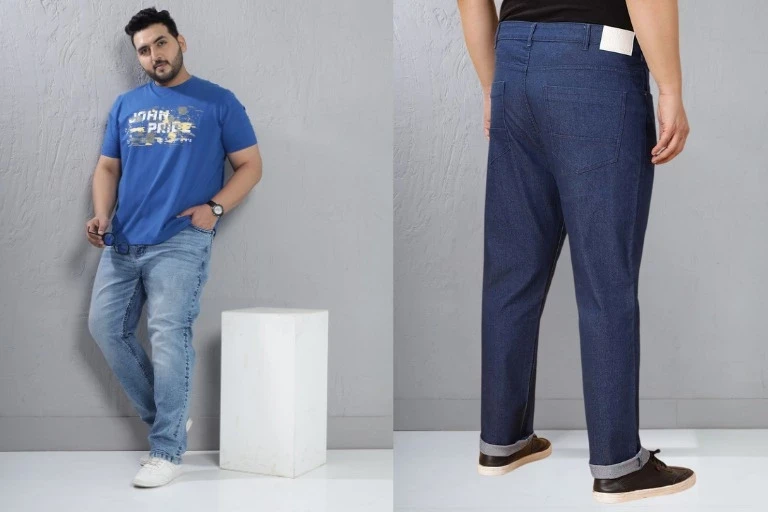

Slim Fit vs. Regular Fit vs. Relaxed Fit Jeans for Men: Which Style Should You Choose?
Choosing the right pair of jeans involves more than finding your waist size and a colour you like. Two pairs labelled with the same waist measurement can feel completely different when you walk, sit, bend or spend an entire day wearing them. The difference often comes down to the cut: how much room the jeans provide around the seat, thighs, knees and lower legs.
Three of the most common options are slim fit, regular fit and relaxed fit jeans. Each offers a different combination of comfort, shape and styling flexibility. Slim fit jeans create a closer, more streamlined silhouette. Regular fit jeans provide a balanced cut that works well for everyday wear, while relaxed fit jeans offer additional room, particularly around the seat and thighs.
However, there is an important detail shoppers should understand before buying: clothing brands do not always use these fit descriptions in exactly the same way. One manufacturer’s regular fit may feel similar to another brand’s relaxed fit. Levi’s, for example, describes its relaxed styles as offering extra room throughout, while Lee describes its regular fit as relaxed through the thigh and tapered from the knee.
This guide explains the differences between slim, regular and relaxed fit jeans for men, how each style fits different body shapes, what to consider when selecting denim, and how to find a comfortable pair without compromising your preferred appearance.
Table of Contents
1. What Is the Difference Between Slim Fit, Regular Fit and Relaxed Fit Jeans?
The primary difference between these three styles is the amount of space built into the jeans and how the fabric follows the shape of your legs.
Slim fit jeans sit closer to the body, particularly around the seat and thighs. Regular fit jeans provide a more balanced amount of room without looking particularly tight or oversized. Relaxed fit jeans are designed with additional space, especially through the hips, seat and upper legs.
The difference is not necessarily related to waist size. A man wearing a 32-inch waist may find that a slim, regular and relaxed pair all fit his waistband correctly, but each will have a different leg shape.
| Feature | Slim Fit Jeans | Regular Fit Jeans | Relaxed Fit Jeans |
| Waist | Usually close-fitting | Balanced, comfortable fit | Usually comfortable with additional room depending on cut |
| Seat | Closer to the body | Moderate room | More generous room |
| Thighs | Narrower | Balanced | Roomier |
| Knees | Usually closer-fitting | Moderate width | More space |
| Leg opening | Often narrow or tapered | Usually straight or moderately tapered | Often wider, though designs vary |
| Overall appearance | Streamlined | Classic and versatile | Loose and casual |
| Movement | Depends on cut and stretch | Generally comfortable | More room for movement |
These are general descriptions rather than fixed industry measurements. Levi’s and Lee both publish their own fit categories, illustrating why shoppers should check individual product measurements instead of relying exclusively on the label.
2. Slim Fit Jeans for Men: A Modern, Streamlined Appearance
Slim fit jeans are designed to follow the body’s shape more closely than regular or relaxed styles. They generally have a narrower cut through the seat and thighs, with a more fitted appearance towards the lower leg.
They are not necessarily as tight as skinny jeans. A properly designed slim fit should leave enough space for comfortable movement without producing excessive folds or pulling around the knees and crotch.
How Slim Fit Jeans Fit
Slim fit jeans typically have a closer-fitting seat and thigh area. Depending on the design, the lower leg may continue with a narrow straight cut or become slightly tapered towards the ankle.
The waistband should sit comfortably without digging into the stomach. The fabric should follow the shape of the thighs without creating strong horizontal tension lines. When sitting down, the jeans should not pull excessively around the crotch or restrict normal movement.
Some slim jeans include elastane or another stretch fibre to improve flexibility. This can make a closer cut more comfortable, particularly for people who spend considerable time sitting, driving or walking.
Levi’s describes its slim jeans as streamlined and narrow through the seat and thigh. Its published men’s fit guide also distinguishes slim styles from tapered designs, which may provide additional room in the thigh while narrowing towards the ankle.
Who Should Wear Slim Fit Jeans?
Slim fit jeans can work particularly well for men who prefer a defined silhouette without wearing extremely tight denim.
They are worth considering if:
- You prefer jeans that sit closer to your legs.
- You want a streamlined appearance with shirts, T-shirts and casual jackets.
- You find regular jeans too wide through the thighs or lower legs.
- You prefer a more fitted appearance for casual and smart-casual outfits.
Men with slimmer or proportionate legs may find this style especially easy to wear. However, slim fit is not limited to a particular body type. Men with athletic builds can also wear slim jeans if the seat and thigh measurements provide enough room.
How to Style Slim Fit Jeans
Slim fit jeans work well with clothing that maintains a balanced overall silhouette. A fitted T-shirt, casual shirt, polo shirt or lightweight jacket can complement the narrower leg shape.
For everyday outfits, dark blue or black slim jeans can be paired with clean trainers or casual leather shoes. A plain shirt and simple belt can create a neat smart-casual appearance without making the outfit look overly formal.
The key is proportion. Very tight tops and extremely tight jeans can make an outfit look restrictive, while oversized tops may create an intentional contrast if styled carefully.
Advantages and Limitations of Slim Fit Jeans
The main advantage of slim fit denim is its streamlined appearance. It can look neat without requiring the wearer to choose skinny jeans. It also works with a wide range of casual clothing.
However, a slim cut may not suit everyone. Men with larger thighs, muscular calves or a preference for loose clothing may find some slim styles restrictive. The amount of stretch in the fabric can help, but stretch should not be used to compensate for an incorrectly sized garment.
If the jeans pull across the thighs, create uncomfortable pressure when sitting or restrict movement, consider a different cut rather than automatically choosing a larger waist size.
3. Regular Fit Jeans for Men: The Classic Everyday Option
Regular fit jeans are designed to provide a balanced combination of comfort and structure. They generally offer more space than slim jeans while avoiding the loose appearance associated with relaxed cuts.
For many men, regular fit is a practical starting point because it offers a familiar shape that can work across different everyday situations.
How Regular Fit Jeans Fit
Regular fit jeans typically provide moderate room through the seat and thighs. The leg may follow a straight shape from the knee to the ankle, although some manufacturers use a slightly tapered design.
The waistband should fit securely without requiring a belt to prevent the jeans from slipping. The seat should follow the body without pulling, while the thighs should allow comfortable walking, sitting and bending.
It is important to distinguish regular fit from straight leg. Regular fit describes the overall cut and amount of room, whereas straight leg describes the shape of the leg from the knee towards the hem.
A pair of regular fit jeans may have a straight leg, but the terms do not always mean the same thing.
Brand definitions can also differ. Wrangler describes its men’s regular fit jeans as having a straight cut from the hip to the ankle. Lee, by comparison, describes its regular fit as relaxed through the thigh and tapered from the knee. This is a practical example of why product-specific measurements matter.
Who Should Wear Regular Fit Jeans?
Regular fit jeans are a useful option for men who want a balanced appearance without choosing particularly narrow or oversized denim.
They may be suitable for:
- Men who prefer a traditional jeans silhouette.
- People who find slim jeans uncomfortable around the thighs.
- Men who do not want the extra volume of relaxed jeans.
- Those looking for a versatile pair for everyday activities.
- Shoppers who prefer a straightforward style that works with different footwear.
Regular fit can also be a useful option for men who are unsure which cut to choose. It provides a middle ground, although the exact amount of room depends on the brand and design.
How to Style Regular Fit Jeans
One of the biggest advantages of regular fit jeans is their versatility.
For a casual outfit, combine mid-blue regular jeans with a simple T-shirt and trainers. For a slightly smarter appearance, dark indigo jeans can be worn with a button-down shirt and leather shoes.
They also work well with sweatshirts, casual jumpers, overshirts and lightweight jackets. Since the leg is not particularly narrow or wide, regular jeans are generally easy to combine with different footwear styles.
The length still matters. Jeans that gather excessively around the ankles can make an otherwise balanced outfit look untidy. A hem that rests neatly on the shoe or creates one small break is a useful starting point, although personal styling preferences and footwear will influence the final result.
Advantages and Limitations of Regular Fit Jeans
Regular fit jeans offer a balance between a defined appearance and everyday comfort. They are particularly practical when you want one pair that can be worn with several different outfits.
Their main limitation is that the fit may feel too loose for someone who prefers a close silhouette or too narrow for someone who needs additional room around the thighs and seat.
For that reason, regular fit should not automatically be considered the best option for everyone. The right choice depends on body proportions, garment measurements and personal comfort.
4. Relaxed Fit Jeans for Men: More Room and Everyday Comfort
Relaxed fit jeans are designed to provide additional space compared with regular and slim styles. The extra room is commonly concentrated around the seat and thighs, although the knee and leg opening can vary according to the design.
Relaxed jeans should not automatically be confused with oversized or baggy jeans. A relaxed fit can still have a controlled shape, while baggy styles are generally designed to look noticeably wider and more oversized.
How Relaxed Fit Jeans Fit
Relaxed fit jeans usually offer a roomier seat and thigh area. This allows the fabric to sit more loosely around the upper legs rather than following the body closely.
Some styles continue with a straight leg, while others have a slight taper towards the ankle. The amount of room also varies between brands.
Levi’s describes its 550 Relaxed jeans as loose through the thigh with a straight leg and its 559 Relaxed Straight as loose through the thigh with a straight-leg shape. These examples demonstrate that relaxed fit does not necessarily mean an extremely wide lower leg.
Who Should Wear Relaxed Fit Jeans?
Relaxed fit jeans can be a useful choice for men who prioritise additional space and ease of movement.
They are worth considering if:
- You have muscular or larger thighs.
- Slim jeans feel restrictive when you sit or bend.
- You prefer a loose, casual appearance.
- You spend long periods sitting, travelling or moving around.
- You want additional room through the seat and upper legs.
Men with athletic builds may find relaxed styles more comfortable because the extra thigh space can reduce pulling across the fabric. However, a relaxed cut is not restricted to athletic or larger body types. Anyone who prefers a looser silhouette can wear it.
How to Style Relaxed Fit Jeans
Relaxed fit jeans work particularly well with casual clothing. T-shirts, sweatshirts, hoodies, overshirts and relaxed button-down shirts can complement their looser proportions.
Footwear also plays an important role. Trainers, casual boots and other shoes with a slightly substantial shape can balance the additional fabric around the lower legs.
If you prefer a more controlled appearance, choose relaxed jeans with a straight or slightly tapered leg rather than an extremely wide opening. This provides extra room through the upper legs without making the entire outfit look oversized.
A dark wash can make relaxed jeans feel more understated, while lighter washes often create a more casual appearance.
Advantages and Limitations of Relaxed Fit Jeans
The biggest advantage is additional room around the seat and thighs. This can make the jeans more comfortable for people who struggle with narrower cuts.
Relaxed jeans can also provide a casual appearance that works well with contemporary streetwear and everyday clothing.
However, excessive fabric can create a poor fit if the waist, rise or length is incorrect. Jeans that are too long may bunch around the ankles, while an overly loose seat can look untidy.
The goal is to find additional room where you need it, not simply to buy the widest pair available.
5. Slim vs. Regular vs. Relaxed Fit Jeans: A Detailed Comparison
Understanding the differences becomes easier when the three styles are compared by their construction, appearance and everyday use.
| Comparison | Slim Fit | Regular Fit | Relaxed Fit |
| Overall cut | Close-fitting | Balanced | Loose |
| Seat | Narrower | Moderate room | Extra room |
| Thigh area | Closer to the body | Comfortable space | Generous space |
| Lower leg | Narrow or tapered | Straight or slightly tapered | Straight, wider or slightly tapered |
| Visual effect | Streamlined | Traditional | Casual and roomy |
| Best suited to | People preferring a fitted silhouette | People wanting a balanced cut | People wanting additional room |
| Common styling | Fitted and smart-casual outfits | Everyday casual outfits | Relaxed and streetwear-inspired outfits |
Which Fit Is the Most Comfortable?
Comfort depends on the wearer rather than the fit label alone.
A man with slim legs may find slim fit jeans comfortable because the fabric does not feel excessively loose. Someone with muscular thighs may prefer regular or relaxed jeans because they provide additional space.
Fabric construction is another important factor. A stretch denim blend can offer more flexibility than rigid denim, even when both pairs have the same cut.
The best test is to wear the jeans while standing, sitting, walking and bending. If the waistband digs in, the crotch pulls or the thighs feel restricted, the fit may not be suitable.
Which Fit Looks the Most Formal?
Slim and regular fit jeans generally offer more straightforward options for smart-casual outfits because their silhouettes can look more structured.
Dark-coloured slim or regular jeans can be paired with a button-down shirt, clean shoes and a jacket. Relaxed jeans can also be styled neatly, but their additional volume usually creates a more casual impression.
Jeans are still denim rather than formal trousers, so they may not be appropriate for workplaces or events with a strict formal dress code.
Which Fit Is Best for Everyday Wear?
Regular fit jeans are a practical starting point for everyday use because they offer a balanced shape. However, a man who values a closer silhouette may prefer slim jeans, while someone who needs more thigh room may find relaxed jeans more suitable.
There is no universal winner. The best everyday pair is the one that fits your body, works with your wardrobe and remains comfortable throughout the day.
6. How to Choose the Right Jeans for Your Body Shape
Choosing between slim, regular and relaxed fit jeans becomes easier when you consider your actual proportions rather than relying on general body-type labels.
Two men with the same height and waist measurement can have very different thigh, hip and calf measurements. One may have a narrow waist and muscular thighs, while another may have more evenly proportioned legs.
This is why measuring the waist alone is not enough.
Jeans for Slim Men
Men with slimmer legs may find slim fit jeans particularly easy to style. A closer cut can provide a defined appearance without excessive fabric around the thighs and lower legs.
Regular fit jeans are also worth considering if you prefer more room or a traditional silhouette.
The main thing to avoid is choosing jeans that are so narrow that they create uncomfortable tension when sitting or walking.
Jeans for Athletic Men
Men with developed thighs, glutes or calves may need to pay more attention to the seat and thigh measurements.
Relaxed fit jeans can provide additional room, while some athletic-fit or tapered styles are designed to accommodate larger thighs without making the lower leg excessively wide.
If the waistband fits but the thighs feel tight, changing the waist size may create an unnecessary problem. Look for a cut with more room in the upper leg instead.
Jeans for Men with Larger Waistlines
Men with larger waistlines should focus on accurate waist measurement and a comfortable rise. The waistband should sit securely without digging into the stomach or sliding down.
Regular and relaxed styles may be worth trying, depending on the amount of room needed around the seat and thighs.
Avoid choosing a larger waist simply to create more room in the legs. This can lead to gaping at the waistband and a poorly positioned crotch.
Jeans for Tall and Short Men
Height affects how the proportions of jeans appear, but it does not determine which fit you should choose.
Shorter men may prefer a cleaner leg line with limited fabric gathering around the ankles. Slim or regular jeans with an appropriate inseam can help achieve this.
Taller men should pay particular attention to inseam availability. A suitable waist size does not guarantee that the jeans will have enough leg length.
In both cases, the correct inseam is more important than choosing a particular fit category simply because of height.
7. How to Measure Yourself Before Buying Jeans
Accurate measurements make it easier to compare different brands and reduce the chances of ordering an unsuitable size.
A typical jeans size is expressed using waist and inseam measurements. For example, 32 × 32 generally refers to a 32-inch waist and a 32-inch inside leg measurement. However, the precise fit will depend on the garment’s cut and construction.
A measuring tape and a pair of jeans that already fit well are useful starting points.
Measuring Your Waist
Measure around the part of your body where you normally wear your jeans. Keep the tape measure level and comfortably positioned without pulling it tightly against your skin.
Different styles sit at different heights, so measuring at your preferred wearing position can provide a more useful reference than assuming every waistband will sit at the same point.
Measuring Your Inseam
The inseam is the distance along the inside leg, from the crotch seam to the bottom hem.
One practical method is to lay a pair of jeans that fits you well on a flat surface. Measure from the crotch seam down to the hem, following the inside seam.
This can help you compare the length of different products.
Measuring Your Thighs
Measure around the fullest part of your upper thigh while standing naturally. This measurement can be particularly useful if slim jeans feel tight or if you have muscular legs.
When comparing product measurements, check whether the manufacturer provides the thigh measurement as a circumference or as a flat measurement across the garment. These are not interchangeable.
Understanding Rise and Leg Opening
The rise is the distance from the crotch seam to the top of the waistband. It influences where the jeans sit on your body and how much fabric is available around the front and back.
The leg opening refers to the width around the bottom hem. A narrower opening creates a more tapered appearance, while a wider opening allows more room around footwear.
Both measurements can influence how a pair of jeans looks, even when two styles have similar waist and inseam measurements.
International clothing-sizing guidance also recognises the importance of body dimensions and garment design. ISO 8559-3:2018 explains the methodology for creating body-measurement tables and intervals, while noting that garment dimensions are not included in that standard. In practical terms, a size label is not a complete description of how a particular pair of jeans will fit.
A Practical Measurement Checklist
Before ordering, compare the following:
| Measurement | What It Helps You Understand |
| Waist | Whether the waistband should fit comfortably |
| Inseam | Whether the jeans are long enough |
| Seat | Whether there is sufficient room around the hips and rear |
| Thigh | Whether the upper leg will feel restrictive |
| Rise | Where the waistband will sit |
| Leg opening | How narrow or wide the jeans will look at the ankle |
If a retailer does not publish all these measurements, check its size guide or contact customer support for garment-specific information.
8. Does Stretch Denim Affect Fit?
Yes. Denim composition can make a noticeable difference to how jeans feel, particularly in slimmer cuts.
Traditional rigid denim is generally made primarily from cotton and has limited stretch. Stretch denim combines cotton with elastic fibres such as elastane or spandex to provide additional flexibility.
Levi’s explains that stretch fibres can improve comfort and flexibility, particularly in closer-fitting jeans. Its product guidance identifies low-stretch denim with approximately 1–2% elastane and mid-stretch denim with approximately 2–4% elastane.
These figures are useful examples rather than universal rules. The feel of a fabric also depends on the fibre blend, weave, construction and finishing process.
Rigid Denim
Rigid denim offers a more traditional jeans feel. It can initially feel firmer and less flexible than stretch denim.
Some wearers prefer its structured appearance, particularly in regular and relaxed styles. However, it is important to buy a size that fits comfortably from the beginning rather than expecting rigid fabric to become dramatically larger.
Stretch Denim
Stretch denim is useful when you want a closer fit without sacrificing as much flexibility.
It can be particularly practical for slim jeans because the additional give helps the fabric move with the body. It may also improve comfort when sitting, walking or bending.
However, stretch does not make an incorrectly sized pair suitable. If the jeans are excessively tight, the fabric may still pull and feel uncomfortable.
How Fabric Affects Long-Term Fit
The long-term behaviour of jeans depends on their composition, construction and care instructions.
Repeated washing, high-temperature drying and general wear can influence fabric appearance and dimensions. Some denim products may also be specifically designed to shrink during their first wash or treatment.
Always check the manufacturer’s care label rather than applying the same washing routine to every pair.
9. Common Mistakes Men Make When Buying Jeans
Even when shoppers understand the difference between slim, regular and relaxed jeans, several common mistakes can lead to a disappointing purchase.
Choosing Jeans Only by Waist Size
Waist size is important, but it does not tell you how much room the jeans provide through the seat, thighs or lower legs.
A pair may fit properly around the waist but feel restrictive when sitting. Another may have comfortable thighs but an excessively loose waistband.
Check more than one measurement when possible.
Assuming Every Brand Uses the Same Fit Definitions
A regular fit from one manufacturer may not have the same proportions as a regular fit from another.
This is not necessarily a manufacturing error. Brands develop different patterns and fit categories for their intended customers and product ranges.
Compare the product measurements and size guides before assuming that your usual fit name will provide the same result.
Buying Jeans That Are Too Tight
Some men choose slim jeans that look good while standing but become uncomfortable when sitting or bending.
A good fit should allow normal movement. Strong pulling lines around the crotch and thighs, pressure at the waistband and restricted movement are signs that you should try another size or cut.
Buying Jeans That Are Too Loose
A relaxed style should provide additional room without looking as though the jeans are several sizes too large.
Excess fabric around the seat, a low-hanging crotch and heavy bunching around the ankles can make the garment look poorly fitted.
Choose the amount of room that suits your body and preferred appearance.
Ignoring the Inseam
The wrong inseam can affect the entire outfit. Jeans that are too long may collect around the shoes, while jeans that are too short may expose more ankle than intended.
Check the inseam independently of the waist size, particularly when ordering online.
Ignoring the Fabric Composition
Two pairs with the same cut can feel different because one uses rigid cotton denim and the other includes stretch fibres.
Read the fabric composition and care instructions before purchasing. This is particularly important if you prefer a close-fitting style or need additional flexibility.
10. Which Jeans Should You Choose for Different Occasions?
Your choice can also depend on where you intend to wear the jeans.
For Everyday Casual Wear
Regular fit jeans are a reliable starting point for everyday outfits. They can be combined with T-shirts, casual shirts, sweatshirts and trainers.
Relaxed jeans are another good option if you prefer a looser appearance or need additional room for comfort.
For Smart-Casual Outfits
Slim and regular fit jeans can both work well in smart-casual combinations.
Dark blue or black denim, a clean button-down shirt and understated footwear can create a more polished appearance. Avoid heavily distressed denim if you want the outfit to look relatively refined.
For Travelling and Long Journeys
Comfort should take priority when choosing jeans for extended periods of sitting.
Regular or relaxed styles may be more comfortable for people who find narrow thighs restrictive. Stretch denim can also be helpful, although the right rise and waistband fit remain important.
Try sitting for several minutes before deciding whether the jeans are suitable for a long journey.
For Streetwear and Relaxed Styling
Relaxed fit jeans can work particularly well with hoodies, oversized T-shirts, sweatshirts and trainers.
A slightly tapered leg can help maintain a balanced shape if you prefer additional room in the thighs without a very wide hem.
Slim jeans can also work in streetwear outfits, but the overall effect will be more fitted.
11. How to Choose Jeans When Shopping Online
Buying jeans online can be convenient, but the inability to try them on makes measurements and product information particularly important.
Start by checking the brand’s own size chart. Compare your body measurements with its recommended size range, then look for additional garment measurements if they are available.
If you already own a pair of jeans that fits well, measure it on a flat surface and compare the waist, rise, thigh, inseam and leg opening with the new product.
Do not assume that ordering the same labelled waist size from another manufacturer will produce an identical fit.
Also check the product description for details such as:
- Whether the jeans are slim, regular or relaxed.
- Whether the leg is straight or tapered.
- Whether the denim contains elastane.
- Whether the fabric is rigid or stretched.
- Whether the product has a low, mid or high rise.
- Whether the retailer offers returns or exchanges.
A useful buying approach is to shortlist two or three cuts, compare their measurements and select the one that best matches your existing comfortable jeans.
12. Final Verdict: Slim Fit vs. Regular Fit vs. Relaxed Fit Jeans for Men
Slim, regular and relaxed fit jeans each serve a different purpose. The best choice depends on the silhouette you prefer, your body proportions and how much room you need around the seat and thighs.
Slim fit jeans are suitable for men who prefer a closer, more streamlined appearance. Regular fit jeans provide a balanced cut that works across many everyday outfits. Relaxed fit jeans offer additional room and are worth considering if you find narrower styles restrictive or simply prefer a looser silhouette.
Before choosing, remember that the fit name alone does not guarantee comfort. Waist measurement, inseam, rise, thigh width, leg opening and fabric composition all influence the final result.
If you are unsure where to start, try a regular fit and compare it with a slim or relaxed alternative in the same waist size. Wear each pair while standing, walking and sitting. This simple comparison can reveal which cut works best for your body.
Ultimately, well-fitting jeans should feel comfortable, allow natural movement and complement the clothes you already wear. The right pair is not necessarily the slimmest or loosest option. It is the one that gives you the right combination of comfort, proportions and personal style.
Frequently Asked Questions (FAQs)
1. What is the main difference between slim fit and regular fit jeans?
Slim fit jeans have a closer cut through the seat and thighs, usually creating a narrower silhouette. Regular fit jeans provide more room through the upper legs and generally have a more balanced appearance. The exact difference varies by manufacturer.
2. Are relaxed fit jeans looser than regular fit jeans?
Generally, yes. Relaxed fit jeans usually provide additional room around the seat and thighs compared with regular fit jeans. However, the width of the lower leg depends on the specific design.
3. Which jeans are best for men with muscular thighs?
Regular, relaxed or athletic-fit jeans may be worth trying if you have muscular thighs. Look for sufficient room through the seat and upper legs without choosing a waistband that is too large.
4. Are slim fit jeans the same as skinny jeans?
No. Slim fit jeans generally have a closer cut than regular jeans but are not usually as tight as skinny jeans. Skinny jeans are designed to fit more closely through the legs, often extending to a narrow ankle opening.
5. Are regular fit jeans good for everyday wear?
Yes. Regular fit jeans offer a balanced cut that can work with T-shirts, casual shirts, sweatshirts and different types of footwear. They are a practical option for men who prefer neither a particularly narrow nor a particularly loose silhouette.
6. Do relaxed fit jeans make you look bigger?
They can create a wider silhouette because they contain more fabric around the seat and legs. However, the overall appearance depends on the cut, length, wash and how the jeans are styled.
7. Should men size up when buying slim fit jeans?
Not automatically. Choose a waist size that fits comfortably and check the thigh and seat measurements. If the jeans are too tight through the legs, a different cut may be a better solution than increasing the waist size.
8. Which fit is best for short men?
Short men can wear slim, regular or relaxed jeans. The most important considerations are inseam length, rise and overall proportions. Avoid excessive fabric gathering at the ankles if you prefer a cleaner leg line.
9. Which jeans are better for long journeys?
Regular or relaxed jeans may be more comfortable for men who need additional room when sitting for extended periods. Stretching denim can also improve flexibility. The best choice depends on the wearer’s body shape and the garment’s construction.
10. What is the difference between relaxed fit and baggy jeans?
Relaxed fit jeans provide additional room, usually around the seat and thighs, while maintaining a relatively controlled shape. Baggy jeans are generally wider throughout the leg and are designed to create a more oversized appearance.
11. Do slim fit jeans contain stretch material?
Some do, but not all. Slim fit describes the cut rather than the fabric composition. Check the product description to determine whether the denim contains elastane or another stretch fibre.
12. How should men’s jeans fit around the waist?
The waistband should sit comfortably at the intended wearing position without digging into the stomach or slipping down. It should feel secure without requiring a belt to compensate for an excessively large waist.
13. What does 32 × 32 mean in men’s jeans?
The first number generally represents the waist measurement in inches, while the second represents the inseam length in inches. A 32 × 32 pair is therefore labelled for a 32-inch waist and a 32-inch inside leg measurement. Actual garment dimensions can vary by brand and style.
14. Can men wear relaxed fit jeans with formal shirts?
Yes. Relaxed jeans can be combined with a button-down shirt for a casual outfit. However, slim or regular dark-wash jeans may be easier to style for a more polished smart-casual appearance. Jeans are not a substitute for formal trousers where a strict dress code applies.
15. How do I know if my jeans are too tight?
If the waistband digs into your body, the fabric pulls strongly across the thighs, the crotch feels restrictive or you struggle to sit and bend comfortably, the jeans may be too tight. Consider a different size or a cut with more room.
If you are looking to write about fashion, You can search for us with the query “Write for Us Fashion” in search engines.
For more updates and the latest fashion news, visit StyleInFlux.